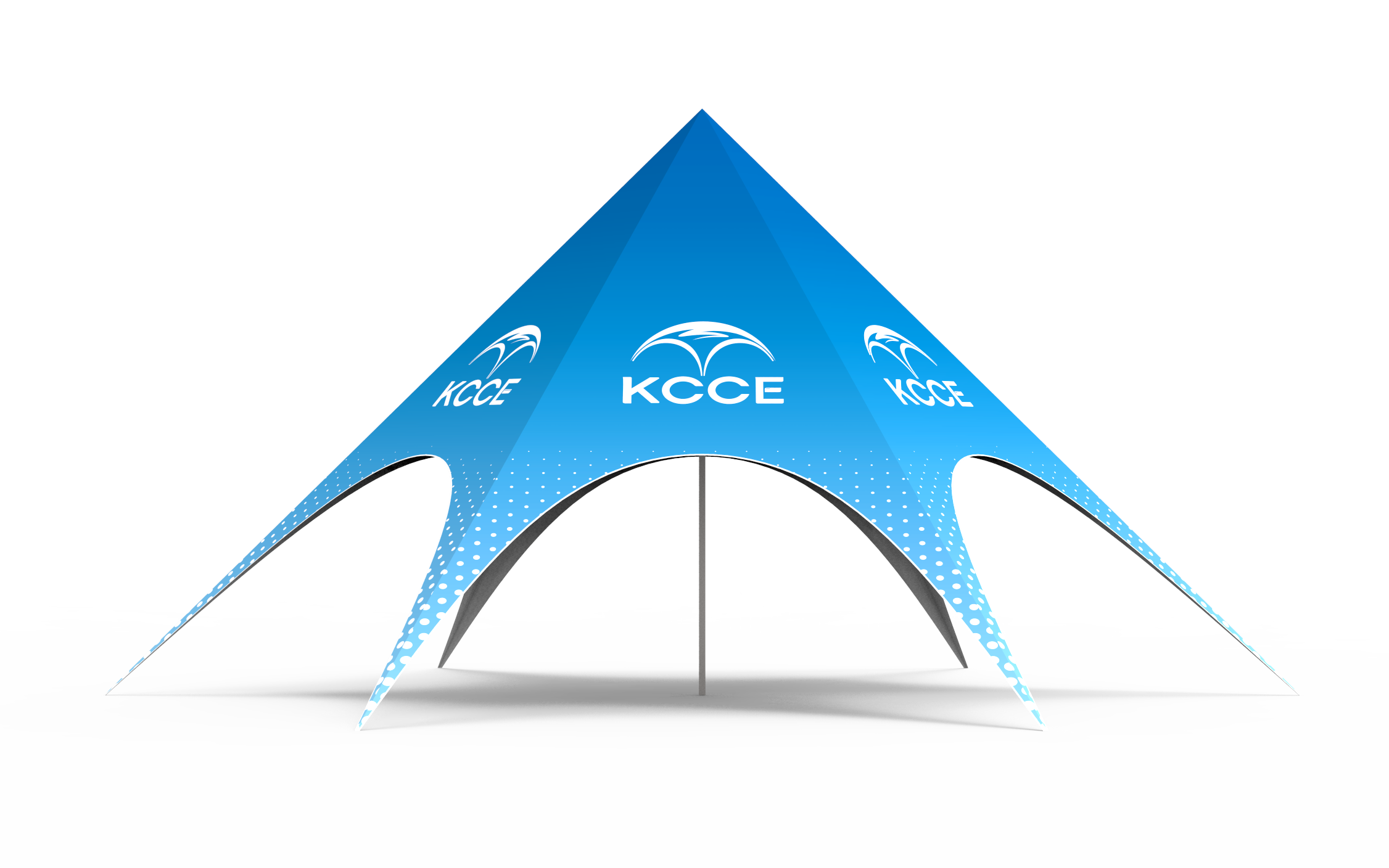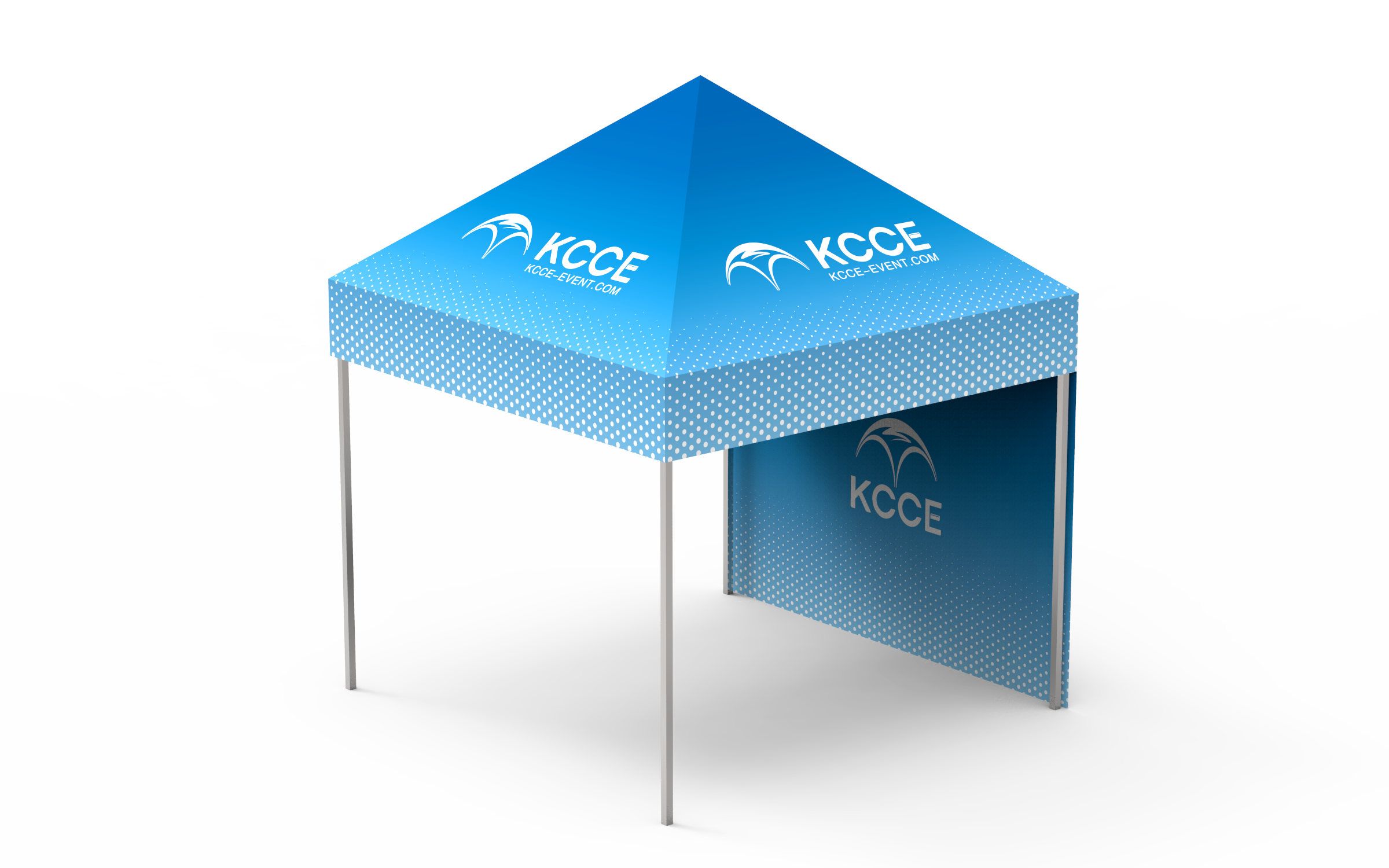
You’ve just pulled into a busy festival parking lot. It’s hot, the sun is glaring, and the only shade in sight is a sweltering patch of grass next to your car. You pull out your old pop-up canopy. You know the drill. You spend ten minutes fighting with crossbars that don’t want to click together, another five trying to get the legs fully extended, and then you realize one of the steel poles is bent from last season. Sound familiar?
Now imagine this: you unzip a bag, pull out a bundle of fabric, find a valve, and start pumping. In under four minutes, you’re standing under a fully erect, taut, and surprisingly sturdy shelter. No swearing. No pinched fingers. No bent poles. It’s not a dream. It’s exactly what an Tenda Kanopi Tiup offers. And if you’re in charge of buying equipment for your team, your event, or your business, this is the kind of upgrade that keeps happening in the outdoor gear world.
I’ve been in the events and outdoor equipment industry for over a decade. I’ve managed rentals, I’ve spec’d gear for large-scale corporate outings, and I’ve personally set up more pop-ups than I care to count. When I first saw an inflatable canopy tent at a trade show about six years ago, I thought it was a gimmick. “Inflatable? No way that holds up in a breeze.” I was wrong. Today, I’m a convert. Here’s the real-world breakdown so you can decide if it’s the right move for your organization.
Inflatable Canopy Tent vs Traditional Pop-Up: The Key Differences
Let’s start with the obvious question: what’s the actual difference? I mean, beyond the fact that you trade metal poles for a blower.
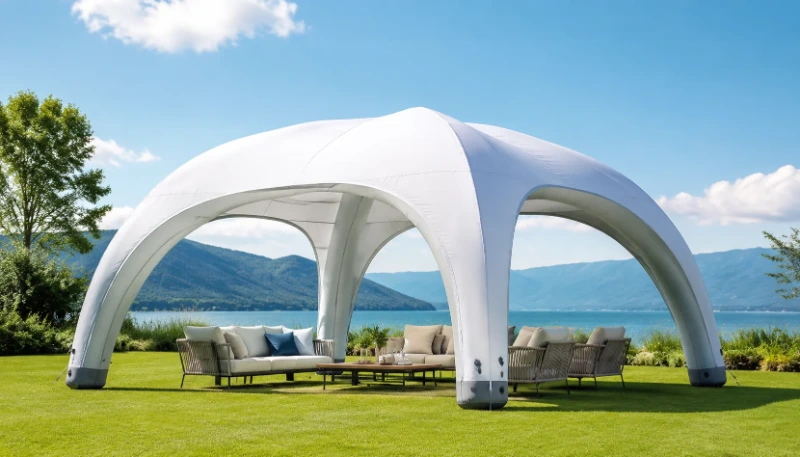
The core technology is the air beam. Instead of folding steel or aluminum, these tents use high-denier fabric tubes that get rigid when inflated. Think of it like an inflatable paddle board, but for a roof. The air pressure creates a structural frame that mimics metal, but is significantly more forgiving in wind.
Waktu Pengaturan: This is the biggest selling point. I timed this myself. A standard 10×10 pop-up, with two people, takes about 8-12 minutes if everything goes smoothly. Add in a jammed button or a rusty lock, and you’re looking at 15-20 minutes. An inflatable canopy tent 10×10? With an electric pump, one person can do it in under 5 minutes. The Inflatable Canopy Tent 4 person models are even faster, often under 3 minutes. You’re paying for time saved.
Ketahanan Angin: Here’s where the debate gets interesting. A traditional pop-up is rigid. When wind hits it, the frame absorbs all the force. If gusts get strong enough, the metal bends or snaps. An inflatable, on the other hand, flexes. The air beams can sway a bit, absorbing the wind’s energy without breaking. Most mid-range inflatable models are rated for 30-35 mph winds, while a standard pop-up is usually at 20-25 mph. Of course, this depends entirely on your anchoring. I’ll get to that later.
Daya Tahan: The common fear is “what if it pops?”. A sharp object can puncture an air beam, but modern tents use multi-layer fabrics like 600D Oxford polyester, which is incredibly tough. I’ve seen a metal pole literally snap in half and take out a tent. I’ve seen an inflatable get a small leak, and it stays up for hours while you patch it. Honestly? I think the inflatable is more resilient in real-world conditions, especially for rental or commercial use where gear gets abused.
The Trade-off: Inflatables cost more upfront. A decent 10×10 inflatable will run you $250-$500, while a comparable quality pop-up is $150-$300. You also need a pump. Many come with a hand pump, but I highly recommend electric. It’s a simple cost calculation: what is your team’s time worth per setup?
Best Inflatable Canopy Tent for Camping, Parties, and Beach Trips
You might be wondering: “Okay, but which one do I buy?” The answer depends on what you’re doing with the thing. I’m going to give you three specific scenarios. This is the part where I ignore the generic “best of” lists and get specific.
✅ For Camping: The Compact Survivor
If you’re car camping with the family or doing a weekend trip, you don’t need a monumental structure. You need something that packs small, sets up easily, and fits a camping table and chairs. Look for a Inflatable Canopy Tent 4 person size. Most of these are around 8×8 or 9×9 feet. They aren’t huge, but they provide ample shade for a base camp.
My personal pick here is the Pacific Breeze Easy Setup. I used it on a rainy trip last summer. It’s not the fanciest, but the build quality is solid. The air beams are thick, and the included stakes are decent. It’s not a beach or storm shelter, but for a gentle camping trip, it’s perfect. You can find a inflatable canopy tent for sale online that fits this exact category.
✅ For Parties and Events: The 10×10 Social Hub
Hosting a BBQ, a birthday party, or a neighborhood gathering? You want the classic 10×10 footprint. This is the most versatile size. It’s big enough for a 6-foot table and a few people, but compact enough to fit in a standard yard. This is where an inflatable canopy 10×10 really shines because setup is so fast. You can get it up, add Inflatable Canopy Tent with sides, and boom—you have instant shelter from sun or light rain.
I recommend the Eurmax 10×10. I’ve rented out dozens of these to local event organizers. The fabric is UV-resistant, the frame is tough, and the valve system is smooth. It comes with a hand pump, but again, buy the electric upgrade. Also, consider the 充气凉亭帐篷 style, which looks more permanent and elegant for outdoor dining.
✅ For the Beach: The Wind Warrior
Beach setups are brutal. The constant breeze, blowing sand, and the fact you can’t use standard metal stakes (they just pull out of the sand). You need a tent that’s specifically designed for sand anchoring. Look for models with extra-wide sandbag pockets or allow for staking with auger-style sand anchors.
For this, I’m a fan of the Core 9-Person Instant Cabin (they make an inflatable version). It’s rated for higher winds, and the shape is a tunnel, which cuts through the wind better than a square. But check the specs. If the manufacturer doesn’t provide a specific mph wind rating, be skeptical. A model with proper anchoring will outlast a cheaper pop-up any day on the coast. If you’re searching “Inflatable canopy tent nearby” on your phone before a beach trip, look for a rental place that stocks these.
Inflatable Canopy Tent Wind Resistance: Real-World Testing and Common Failures
This is the nitty-gritty. You can read a manufacturer’s claim of “wind resistant” on a product page, but what does that actually mean? Not much, honestly.
I’ve been at outdoor festivals where a strong gust came through and turned a dozen pop-ups into twisted scrap metal. The inflatable tents? The ones that were properly anchored stayed upright. The ones that were just sitting on the ground? They rolled over.
The weak point isn’t the air beam. It’s the anchoring. A traditional pop-up can handle a 20 mph gust if staked down. An inflatable can handle 35 mph, but only if you’ve done your job with the stakes or weights. I’ve seen a $600 inflatable canopy tent fail because someone used cheap plastic stakes on grass. The tent just slid sideways, the beam didn’t even burst.
Common Failure #1: Leaks at the Valve
Air leaks are the biggest complaint I see. You inflate it, and after an hour, it’s a bit soft. This is usually at the valve connection. The fix? Soapy water test. Mix a bit of liquid soap with water, spray it on the valve and seams. If you see bubbles, that’s where the air is escaping. A small dab of seam sealer or a Teflon tape wrap usually fixes it.
Common Failure #2: Seam Rips
Cheaper tents use single-stitched seams that can fail under high pressure. Look for tents with reinforced, double-stitched seams. I’ve seen a rental tent rip after 6 months of heavy use. The user reviews on Amazon are brutal about this. If you’re buying for commercial use, spend the extra money on a brand that offers a 2-year or lifetime warranty. It’s worth the insurance.
Real-World Data
OutdoorGearLab did a comparative test a few years back. The results were clear: a well-anchored inflatable could survive gusts of 35 mph without structural damage, while a comparably priced pop-up started losing shape at 22 mph. The inflated model also recovered faster—just re-pump the air beam and it’s back to full shape. With a bent metal pole, you’re packing up for the day.
How to Set Up and Take Down an Inflatable Canopy Tent in 5 Minutes
I’ve seen people do this wrong. A lot. It seems simple, but there’s a method to make it truly painless.
Step 1: Stake the Corners (Before Inflation)
This is the most common mistake. Open the tent bag, spread the fabric flat, and immediately stake down the four corners. If you inflate first, the tent will balloon up and you’ll have to fight the wind to hold it down. Stake first. This pre-stretches the base.
Step 2: Pre-Inflate to 70%
Connect your pump. An electric pump is the way to go (it’s a small investment). Start inflating, but stop when the beams are about 70% firm. This allows you to adjust the anchor lines and get the shape right before the full pressure sets in.
Step 3: Fully Inflate and Adjust
Once the stakes are set and the base is aligned, finish pumping to 100% pressure. The beams should be rigid to the touch, like a solid muscle. Do a visual check. If one side is leaning, loosen the stakes on that side slightly and push the beam vertical. Re-stake.
Time: Electric pump takes 2-3 minutes. Manual pump takes 5-7. I’ve never met a person who prefers the manual pump after trying electric. It’s a $30 add-on that saves you 30 minutes of arm fatigue per weekend.
Taking Down:
- Open all the valves.
- The tent will deflate quickly.
- Let it sit for a minute to fully sag.
- Fold the beams in on themselves, just like folding an air mattress.
- Don’t force the fabric into the bag. It should slide in easily. If it’s a struggle, you didn’t fold it right.
- Crucial: Dry it before storage. If you pack a damp tent, you get mildew in about two weeks. I’ve seen it ruin a perfectly good tenda gazebo inflatable because someone was in a rush.
Essential Accessories for Your Inflatable Canopy Tent: Pumps, Sidewalls, and Anchors
The tent is just the start. The accessories are where you either love your setup or hate it.
The Pump
As I said, get electric. The compatibility matters. Check the valve diameter of your tent model. Some use a standard twist-lock, others use a bayonet-style. A universal pump kit usually includes adapters for most tents. Don’t guess. Read the reviews.
Sidewalls
This is a big decision. An Inflatable Canopy Tent with sides transforms it from a sunshade into a rain shelter or a privacy screen. Full fabric sidewalls can block wind entirely. Mesh sidewalls let air flow but keep out bugs. When should you get them? If you live in a windy area or you’re hosting a formal event where you don’t want people seeing your gear, get the full set. If you’re at the beach and want ventilation, go mesh or no sides. The “with sides” vs “without sides” debate often comes down to your primary use case.
Anchoring Methods
On grass: use standard 8-10 inch steel stakes. On sand: use sandbag weights or auger-style stakes. On concrete: use water weights or concrete barriers. I’ve seen people try to use standard stakes on a beach. They just lift right out. It’s a frustrating and expensive mistake. A set of sand anchors costs $15 and will save your tent in a 15 mph coastal breeze.
Inflatable Canopy Tent FAQ: Answers to the Most Common Questions
Q: Are inflatable canopy tents better than pop-up?
A: It depends on your priority. They’re faster to set up, more wind-resistant when anchored, and don’t have metal poles that break. But they cost more upfront, require a pump, and can develop leaks over time.
Q: How do you set up an inflatable canopy tent?
A: Pasang patok pada sudut-sudut terlebih dahulu, kemudian kembangkan balok hingga 70% menggunakan pompa listrik. Sesuaikan posisi agar sejajar, lalu kembangkan hingga tekanan penuh. Seluruh proses memakan waktu 3-5 menit.
Q: Are inflatable tents durable in wind?
A: Yes, if anchored properly. They flex under pressure, handling gusts up to 35 mph. A standard pop-up will bend at 22 mph. The key is good anchoring, not the tent itself.
Q: What size inflatable canopy tent do I need for 4 people?
A: A Inflatable Canopy Tent 4 person model, usually around 8×8 feet, is perfect for a family camping setup. For a party with a table and chairs, go with a Inflatable canopy tent 10×10.
Q: Can you leave an inflatable canopy tent up overnight?
A: Yes, as long as it’s properly anchored and the weather is calm. Check the forecast. If heavy rain or strong winds are expected, take it down. Air pressure can drop in cold weather, so you may need to re-inflate in the morning.
Q: Do inflatable canopy tents leak air?
A: Occasionally, usually at the valve connection. The soapy water test will find the leak. Apply seam sealer or Teflon tape to fix it. Most leaks are not from the main fabric.
Intinya
I’ll be straight with you. No one gets excited about a tent setup. But a bad tent can ruin a good day. If you’re buying for your team, your family, or your business, the Tenda Kanopi Tiup is the single best upgrade you can make in 2026. The speed, the wind resistance, and the peace of mind are tangible. You just have to match the model to your use case, anchor it right, and buy the electric pump.
| Use Case | Best Overall Pick | Budget Pick |
|---|---|---|
| Berkemah | Pacific Breeze Easy Setup | Core 4-Person Inflatable |
| Party | Eurmax 10×10 with sides | OutdoorMaster 10×10 |
| Beach | Core 9-Person Inflatable | Coleman Skydome Inflatable |
So here’s a final question for you: Would you trade 10 extra minutes of setup for the peace of mind that your tent won’t collapse in a gust of wind? I think you already know the answer. Go check the top two models for your scenario, compare the specs, and make the call. You’ll thank yourself next season.