Most first-time importers get burned in one of two ways: they overpay because they didn’t know what freight should cost, or they wire a deposit to a supplier they never properly vetted. I’ve watched both happen more times than I’d like to admit. Here’s the thing — importing inflatable advertising tents from China isn’t complicated, but it has a lot of moving parts, and skipping any one of them costs you money. What follows is the full roadmap I wish someone had handed me years ago: spec to sample to shipment to warehouse floor.
Quick Answer
Importing inflatable advertising tents from China means defining specs first, vetting suppliers on Alibaba or Made-in-China, ordering a sample, agreeing on MOQ and 30/70 payment, choosing FOB or CIF, booking sea freight for bulky-light goods, clearing customs under the right HS code, and inspecting before final payment.
Step 1: Define Your Tent Specs Before Sourcing
Don’t open Alibaba until you know what you’re buying. This is the mistake that eats weeks.
You need to lock down four things: size, material, printing method, and use case.
Ukuran — inflatable advertising tents typically come in modular footprints like 3×3 and 4×4 meters, and modular designs let you scale up by connecting units. If you’re doing a trade show booth versus an outdoor promotion, the footprint changes completely.
Material — this is where budgets die. PVC and oxford cloth are the two main families. PVC is heavier, more durable, better for long-term outdoor use. Oxford is lighter, cheaper, packs smaller. For a modular airtight inflatable tent that gets reused season after season, PVC or TPU beams matter.
Here’s a detail worth stealing from the sourcing world: according to Kelyland’s analysis of made-in-China inflatable tents, two tents can look identical on paper yet quotes come in 30% apart. The cheaper one often skips UV stabilizers or uses manual heat guns instead of digital temperature-controlled welding. Multi-chamber TPU or PVC beams at 0.6mm or thicker, plus UV-stabilized fabric, is the difference between a sample you can trust and a pre-production “exception” that never repeats in the production run.
Pencetakan — dye-sublimation, silk screen, or digital. Custom printed inflatable work usually means digital or dye-sub for full-color logos. Ask how they handle color matching.
Use case — event entrance maze, retail activation, camping shelter, outdoor promotion. Camping-grade and advertising-grade are different animals. An inflatable tent manufacturer serving camping buyers builds to different tolerances than one serving event marketers.
Write all of this into a one-page spec sheet. You’ll reuse it for every RFQ.
Step 2: Find and Vet Chinese Suppliers
The channels are well known: Alibaba, Made-in-China, the Canton Fair, and referrals. The vetting is where people get lazy.
The vetting checklist I actually use:
- Business license — ask for the scanned copy, check the registered name matches the bank account name. If they don’t match, walk.
- Factory audit or video tour — a live walkthrough, not a saved video. Ask them to open a cabinet, show the welding stations, show the fabric rolls.
- Certifications — CE and RoHS are the baseline for inflatables sold into Europe and the US.
- Export history — which countries, how many years.
- Reference customers — ask for two buyers you can email.
Speaking of which, this is where a lot of newbies get scammed. The fear is real — counterfeit products, fake factories, trading companies posing as manufacturers. The single best defense: request a live video call and have them walk from the office to the production floor without cutting. Trading companies can’t fake that.
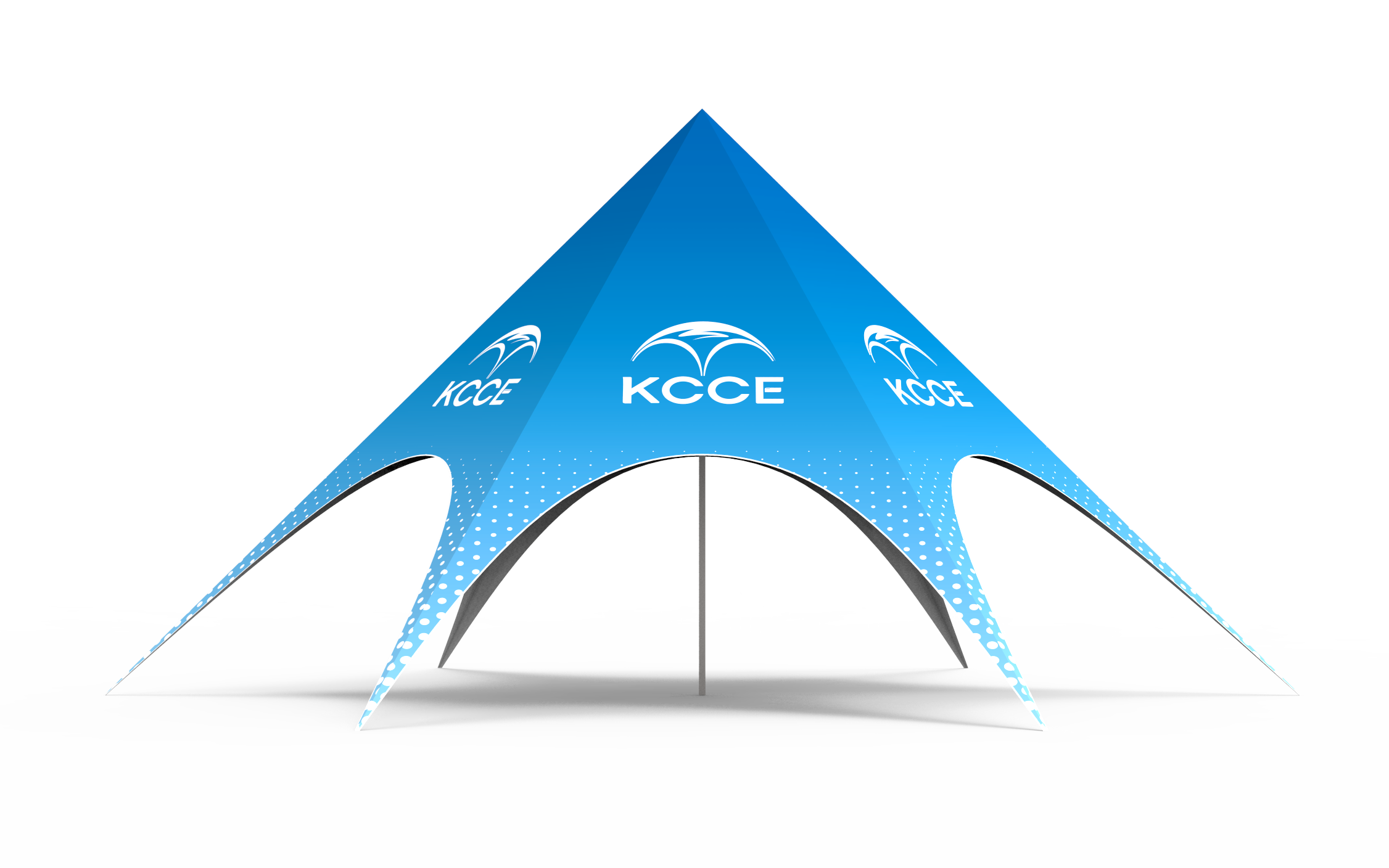
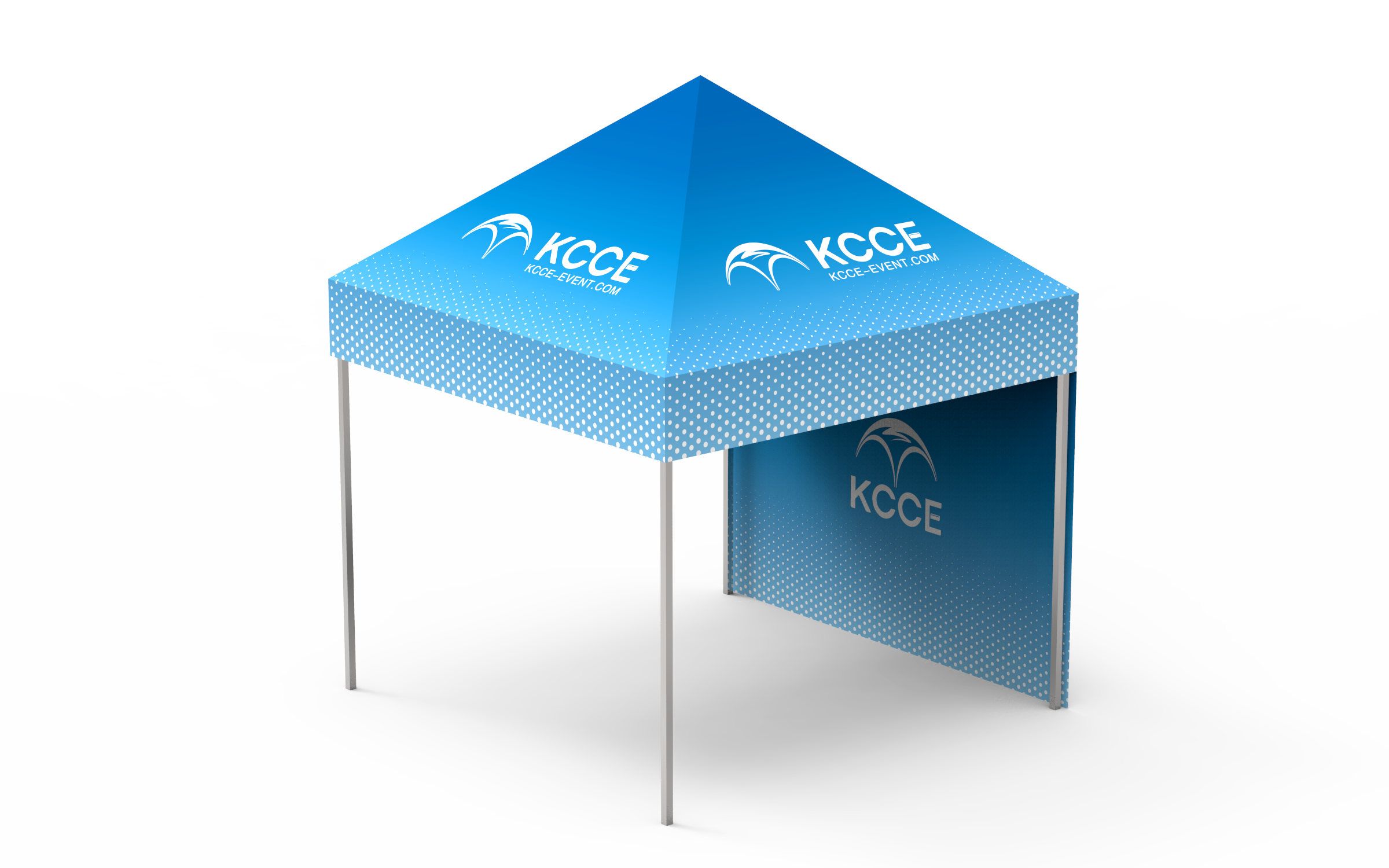
For context on what “real factory” looks like: Dongguan Dacheng Outdoor Products (KCCE) was established in 2006, runs a facility with over 70 production machines and roughly 40 skilled employees, holds CE and RoHS compliance, and ships internationally with Europe and the US as primary markets, according to the brand. That’s the profile of a manufacturer, not a middleman. You can browse KCCE’s inflatable tent range to see what a verified factory’s catalog actually looks like.
If you’re searching for inflatable tent suppliers in China, treat the platform badge as a starting point, not proof. Verified supplier status means paperwork was checked. It doesn’t mean the welding is good.
Step 3: Request Quotes, Samples, and Compare
Your RFQ needs to include: full specs, target quantity, destination port, and the Incoterm you want quoted. Leave any of those out and you’ll get apples-to-oranges pricing.
Ask every supplier to quote the same Incoterm. If one quotes FOB and another quotes DDP, you can’t compare them. More on that below.
Sample order vs production sample — these are not the same thing. A sample order is a one-off, often handmade by the best worker in the shop. A production sample is pulled from an actual production run. If you can, pay for a production sample before the full order. It costs more upfront and saves you a container of regret.
Red flags in pricing:
- Quote comes in 40% below everyone else — they cut material or labor somewhere
- No breakdown provided, just a lump number
- Pressure to pay a deposit before you’ve seen a sample
- Vague answers about fabric weight or beam thickness
Get at least three quotes. Four or five is better.
Step 4: Negotiate MOQ, Payment, and Incoterms
MOQ — for custom inflatable tents, many factories list 1 piece as MOQ on platform listings, but that’s usually for stock designs. Custom printed inflatable orders with your logo typically start higher. Ask directly.
Payment — the 30/70 split is standard: 30% deposit to start production, 70% balance before shipment (or against the bill of lading copy). Never pay 100% upfront. Never pay the balance before you’ve seen inspection photos or video.
Incoterms — this is where I see the most confusion, so let’s be blunt:
- FOB (Free On Board) — supplier delivers to the Chinese port, you control the freight from there. You pick the forwarder, you see the real freight cost, you have leverage. Best for buyers who ship regularly.
- CIF (Cost, Insurance, Freight) — supplier arranges and pays freight and insurance to your destination port. Convenient, but the freight is baked into the price and you can’t see the markup. Also, CIF ends at the destination port — you still pay destination charges.
- DDP (Delivered Duty Paid) — supplier handles everything to your door, duties included. Easiest, most expensive, and you lose visibility into every cost layer.
My take: if you’re importing inflatable tents from China for the first time and volumes are small, DDP is tempting because it’s one number. But once you’re shipping regularly, FOB plus your own forwarder almost always wins on cost. You might be wondering which to pick — start with FOB, get a forwarder quote, compare against the CIF price. The gap will tell you everything.
Step 5: Manage Production and Quality Control
Once the deposit is in, production typically runs a few weeks depending on order size and customization. Use that window.
Pre-shipment inspection — hire a third party. SGS and Bureau Veritas are the names most buyers know. An inspection costs a few hundred dollars and catches problems while the goods are still in China, where you have leverage. After the container sails, your leverage drops to near zero.
What the inspector should check for inflatable tents specifically:
- Beam thickness against spec
- Weld seams — look for consistent, even welds, not blobs
- Blower function and inflation time
- Print quality and color accuracy against the approved sample
- Fire retardancy documentation — ask for the test report, don’t accept a verbal “yes it’s fireproof”
Fire retardancy and safety standards — for tents used in public events, this isn’t optional. Ask which standard the fabric meets and get the certificate. If a supplier can’t produce documentation, that’s your answer.
IP protection — if you’re commissioning a custom inflatable tent with proprietary artwork or a unique structure, get an NDA and a non-compete clause in the contract before you send files. Also, don’t send final artwork until the deposit is paid and the contract is signed.
Step 6: Shipping, HS Codes, and Customs Clearance
Here’s the freight math that surprises people: inflatable tents are bulky but light. You’re paying for volume, not weight. That changes everything.
Sea vs air:
- Sea freight (LCL — less than container load) — good for smaller orders. You share a container. Cheaper per unit but slower, and you pay destination charges that can add up fast.
- Sea freight (FCL — full container load) — once your volume approaches a full container, FCL is almost always cheaper and faster than LCL. No consolidation delays.
- Air freight — for inflatables, air freight is brutal. You’re paying by volumetric weight, and a tent that weighs 40kg can bill at 200kg+ volumetric. Only makes sense for urgent samples or very small, high-value items.
For bulky-light goods, sea is the default. Don’t overthink it.
HS codes — inflatable tents generally fall under the heading for textile or plastic-made tents, but the exact subheading depends on material (textile vs plastic). Get this wrong and you’ll overpay duty or get flagged. Ask your customs broker to confirm the code for your specific product before shipment. Duty rates vary by destination country and by material — there’s no single number I can hand you that’s accurate everywhere.
Freight forwarder vs customs broker — often the same company offers both. A forwarder moves the goods; a broker clears customs. Many forwarders bundle both. If you’re new, use a forwarder that offers customs brokerage as a package — fewer handoffs, fewer things to go wrong.
Destination port charges — the fees nobody warns you about. Terminal handling, documentation, customs exam fees if you get flagged, demurrage if your container sits. Budget for these. They routinely surprise first-timers.
Step 7: Receive, Inspect, and Handle Disputes
The container arrives. Now what?
Delivery checklist:
- Inspect the container seal before opening — if it’s broken, document it with photos immediately
- Count units against the packing list
- Check for transit damage
- Inflate one or two units on the spot if possible
- Photograph everything before you sign the delivery receipt
Defect claims — if you find problems, notify the supplier in writing within the claim window stated in your contract (usually 15-30 days). Send photos and video. If you used a third-party inspection before shipment, you have documentation showing the goods passed — which actually helps you argue that damage happened in transit, not at the factory.
Recourse — your leverage is the unpaid balance. This is exactly why you don’t pay 100% upfront. If you paid the balance before inspection and the goods are wrong, you’re relying on goodwill. If you still hold 70%, you have a conversation.
Which brings me to the point I keep coming back to: vetting beats price-hunting every single time. The cheapest quote is rarely the cheapest outcome.
Cost Breakdown and Supplier Vetting Checklist
Here’s how the layers stack up:
| Cost Layer | What It Covers | Catatan |
|---|---|---|
| Unit price (FOB) | Tent + factory-to-port | The number everyone fixates on |
| Freight | Port-to-port | Sea LCL or FCL; air rarely viable |
| Insurance | Cargo coverage | Small % of goods value |
| Duties & tariffs | Destination country import tax | Depends on HS code + country |
| Destination charges | Terminal, docs, exam fees | The hidden layer |
| Inland delivery | Port to your warehouse | Often overlooked |
| Inspeksi | Third-party QC | A few hundred dollars, worth it |
Vetting checklist (save this):
- Business license matches bank account name
- Live video factory tour completed
- CE / RoHS or equivalent certification on file
- Fire retardancy test report provided
- Production sample approved before bulk run
- Contract includes NDA, claim window, and Incoterm
- Third-party pre-shipment inspection booked
- Payment split is 30/70, balance against inspection
If you want to see what a compliant, verified manufacturer’s product line looks like — including airtight tents and event structures — start with KCCE’s airtight tent lineup and compare it against what you’re being quoted.
Pertanyaan yang Sering Diajukan
Q: How long does it take to import inflatable advertising tents from China?
A: Production typically runs a few weeks depending on customization, then sea freight adds several weeks more. Door-to-door, most buyers should plan on roughly two to three months from deposit to warehouse. Air freight cuts transit time dramatically but rarely makes financial sense for bulky inflatable tents.
Q: What’s the difference between FOB and CIF when importing inflatable tents from China?
A: FOB means the supplier delivers to the Chinese port and you control freight from there — you see real costs. CIF means the supplier arranges freight and insurance to your destination port, but the freight is marked up inside the price and you still pay destination charges. FOB gives you more control and transparency.
Q: What MOQ should I expect from inflatable tent suppliers in China?
A: Stock designs often list 1 piece as MOQ on platforms like Alibaba or Made-in-China. Custom printed inflatable tents with your branding usually carry a higher MOQ because of setup costs. Always confirm the real MOQ for your specific customization before assuming.
Q: How do I avoid scammers when sourcing custom inflatable tents?
A: Request a live video tour of the factory floor. Verify the business license name matches the bank account. Never pay 100% upfront — use the standard 30/70 split. Book a third-party inspection before the balance payment. These four steps eliminate most fraud risk.
Q: Do I need a customs broker to import inflatable tents?
A: You need customs clearance, but you don’t have to hire a separate broker. Many freight forwarders bundle customs brokerage into their service. For first-time importers, a forwarder offering both is simpler — fewer handoffs and one point of contact when something goes wrong.
Q: What HS code applies to inflatable advertising tents?
A: It depends on the primary material — textile versus plastic — and the specific construction. Get your customs broker to confirm the exact subheading for your product before shipment. The wrong code means overpaid duty or customs delays.
Q: Is air freight ever worth it for inflatable tents?
A: Almost never for bulk orders. Inflatables are bulky and light, so air freight bills on volumetric weight and the cost balloons. Air only makes sense for urgent samples or small high-value items. Sea freight is the default for this product category.
Q: How do I handle defects after the goods arrive?
A: Notify the supplier in writing within your contract’s claim window, usually 15-30 days. Send photos and video. Your strongest leverage is the unpaid 70% balance — which is exactly why you inspect before paying it. If a pre-shipment inspection passed, you can argue transit damage rather than factory defect.
Kesimpulan
Vetting beats price-hunting every time — a supplier who passes a live factory tour, provides fire retardancy documentation, and accepts a 30/70 split with inspection is worth more than a quote that’s 20% cheaper. Before you contact anyone, build your RFQ. Specs, quantity, destination port, Incoterm. Then ask yourself one question: are you sourcing for cost, or for reliability? The answer changes which supplier you pick.
Referensi
1. How to Import and Ship Camping Gear from China – tonlexing.com
2. Made in China Inflatable Tents: Stigma vs Safety Reality – kelyland.com
3. Airart Inflatables Factory – OEM Custom Inflatable – alibaba.com
4. Sumber Daya – omegainflatables.com
5. Exhibition Tents On Rent in Kharghar, Navi Mumbai – justdial.com