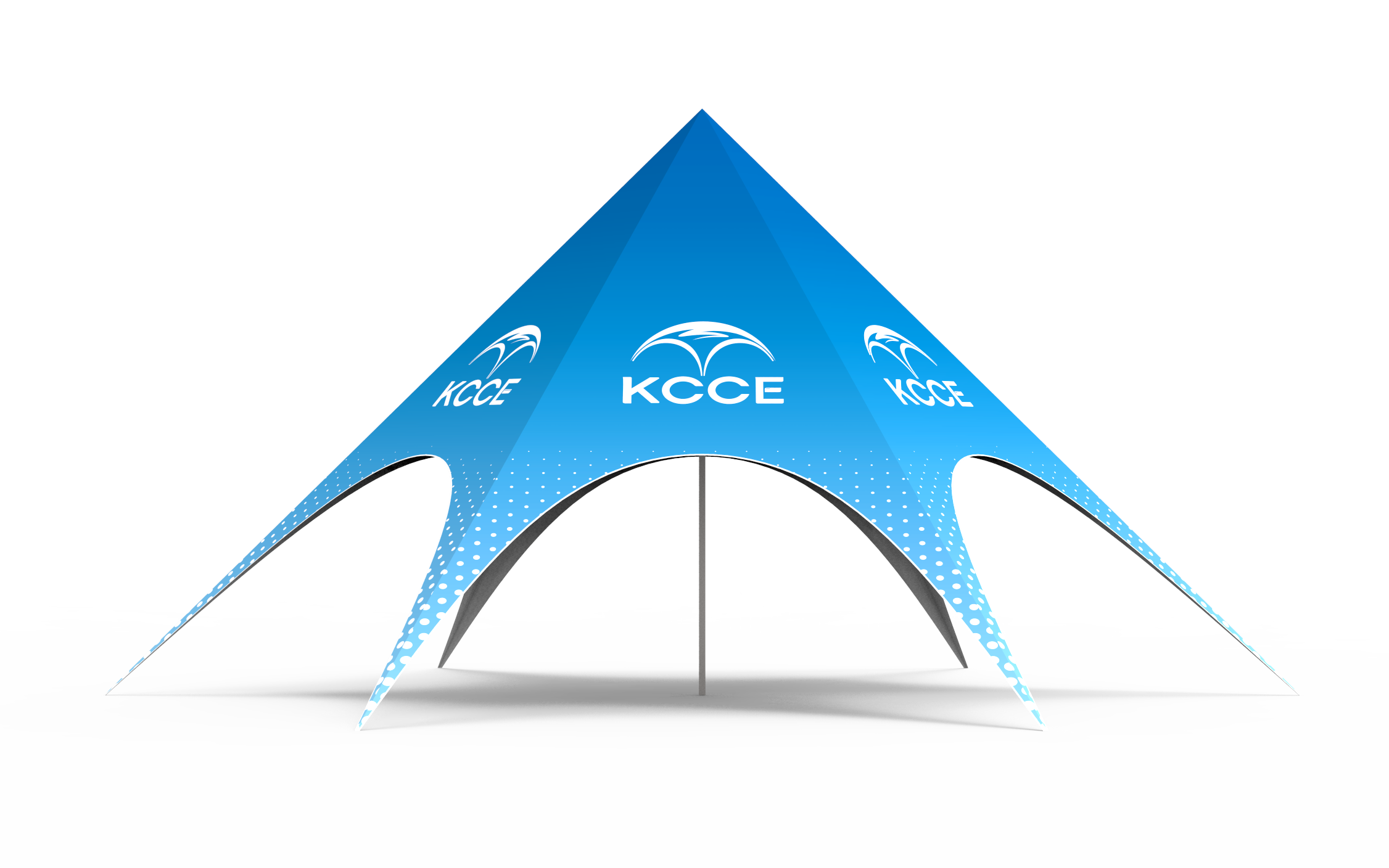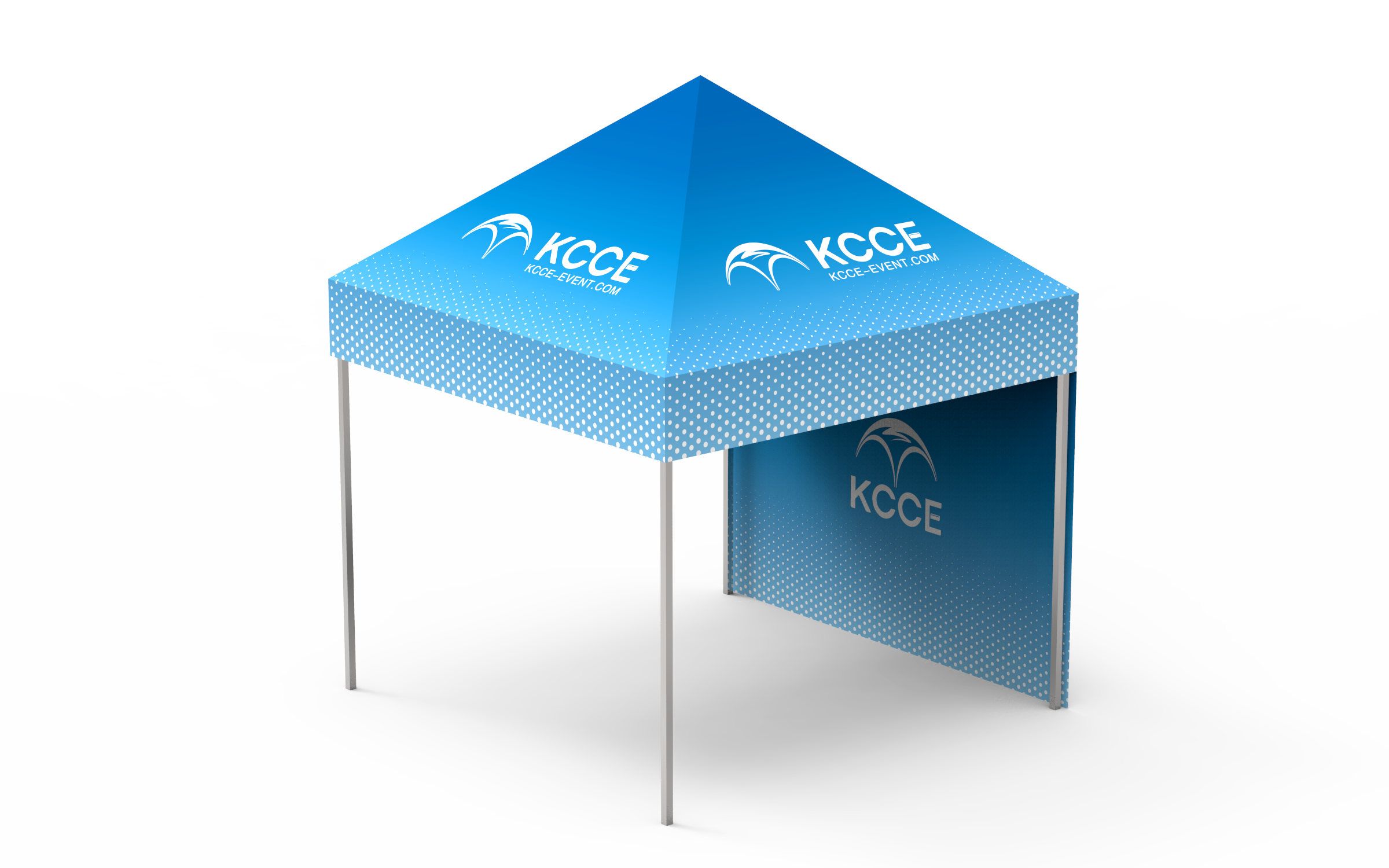
Most inflatable advertising tents don’t die from old age. They die from neglect. I’ve watched a custom-printed tent go from showroom-crisp to patch-covered in a single season. — not because the material was cheap, but because nobody dried it out after a rainy trade show weekend. On the flip side, I’ve seen units from Dacheng outdoor products LTD. (the KCCE brand) hold up for years with nothing more than a disciplined post-event routine.
That gap — one season versus several — is what this article is about. If you’re a decision-maker weighing total cost of ownership, the tips below will save you more money than any volume discount ever will. You’ll get real lifespan ranges by material, a maintenance checklist you can hand to your ops team, and honest guidance on when to repair versus replace.
Quick Answer
How long an inflatable advertising tent lasts depends mostly on material and care: PVC tents typically run 3–5 years, nylon 1–2 years, and Oxford fabric somewhere in between, with usage frequency and storage discipline being the biggest swing factors. Cleaning and fully drying before every storage cycle is the single highest-impact habit.
How Long Do Inflatable Advertising Tents Last?
Let’s get the uncomfortable truth out of the way first: there is no universal number. Anyone who quotes you one is either guessing or selling. What I can give you is a practical range based on material type and how hard you run the tent.
| सामग्री | Typical Lifespan | के लिए सर्वश्रेष्ठ | Watch Out For |
|---|---|---|---|
| PVC (coated) | 3–5 years | Heavy-use commercial inflatable tents, car show and festival circuits | Heavy; seams need inspection; can get brittle in extreme cold |
| नायलॉन | 1–2 years | Lightweight trade show inflatable tents, indoor use | UV degradation, punctures, moisture retention |
| Oxford fabric | 2–4 years | Outdoor event inflatable tents, mixed indoor/outdoor | Coating wear on fold lines; depends heavily on denier and coating quality |
A few things move these numbers hard in either direction:
- Usage frequency. A tent that goes up many weekends a year will age faster than one used at only a few events annually. Setup and teardown cycles stress seams and zippers more than weather does.
- जलवायु। High-UV regions and coastal salt air are brutal. So is repeated freeze-thaw if you store in an unheated unit.
- Material quality. Premium Oxford fabric from an established custom inflatable tent manufacturer will outperform a no-name equivalent, even at the same nominal spec. Coating thickness is where cheap tents hide their cost.
Here’s the TCO angle, since that’s likely why you’re reading this. If a PVC tent costs more upfront but lasts 4 years instead of 1, your annualized cost is a fraction of the nylon option — even before you count labor for replacements, reprinting, and event-day failures. Cheap tents are expensive. That’s the whole argument in five words.
Clean and Dry: The #1 Lifespan Rule
If you only take one thing from this article, take this. Inflatable tent maintenance starts and ends with moisture control. Mold and mildew don’t just look bad — they eat the fabric coating and rot the stitching. Once seam rot starts, no patch kit saves you.
Here’s the routine I recommend after every single event, no exceptions:
- Wipe down while still inflated. Use mild soap and lukewarm water. A soft brush for scuffs, a sponge for the printed panels. Never pressure-wash — you’ll drive water into seams.
- Rinse thoroughly. Soap residue attracts dirt and degrades coatings over time.
- Inflate fully and let it air-dry. This is the step everyone skips. Drying a deflated tent is almost impossible — air can’t reach the interior surfaces. Run the blower for 15–30 minutes with the tent up, then leave it up until it’s bone dry to the touch, inside and out.
- Check the print. If you see the graphic starting to crack or lift, that’s your cue to talk to your printer about touch-ups before it peels.
- Only then fold and pack.
You might be wondering: what if it rains at the event and I have to pack up wet? Then you pack up wet — you have no choice. But you unpack and dry it within 24–48 hours, even if that means stringing it up in a warehouse. Leaving a wet tent in its bag for two weeks is how you turn a 4-year tent into a 1-year tent. I’ve seen it happen more times than I can count.
Protect Against UV, Wind, and Rain
This is where most of the damage actually happens — during use, not during storage. And it’s also where safety and lifespan overlap, so let’s treat it seriously.
UV exposure. Sunlight breaks down fabric coatings and fades printed graphics. A UV-resistant inflatable tent uses treated fabric and UV-stable inks, but nothing is immune forever. If your tent lives outdoors for months at a stretch, expect accelerated fade. Rotate panels when possible, and accept that some fade is normal after heavy sun seasons. Do inflatable tents fade in the sun? Yes — the question is how fast, and that’s mostly a function of fabric treatment quality.
हवा। This is the one that hurts people, not just tents. Follow common inflatable tent safety precautions in windy areas:
- Know your limits. Manufacturers typically publish a recommended maximum wind speed for safe operation — check yours and respect it. If gusts are forecast above that, don’t put it up. No event is worth an injury claim.
- Anchor properly. Sandbags are the workhorse for hard surfaces like pavement and trade show floors. Stakes work on grass and soft ground. For anything beyond light breeze, use both, plus guy lines.
- Never rely on the blower’s weight or the tent’s own mass to hold it down. I’ve watched a tent take off across a parking lot. It’s funny for about two seconds.
बारिश। Inflatable tents handle rain fine if they’re designed for it — but drainage matters. Make sure water can’t pool on top, and never, ever pack a wet tent into storage. That’s the mold sentence from the previous section, and it’s worth repeating because it’s the most common mistake I see.
Storage Best Practices
How you store inflatable tent units determines whether you get the top of that lifespan range or the bottom.
First, the folding-versus-rolling debate. Honestly? Both work, but I lean toward folding along the original crease lines for PVC tents — rolling can trap air pockets and stress seams if you’re not careful. For lighter nylon and Oxford tents, loose rolling is fine and actually reduces hard crease points. The real rule isn’t fold or roll — it’s clean, dry, and away from UV.
Where to store it:
- Climate-controlled space is ideal. A dry, temperature-stable warehouse beats a damp shed every time.
- Off the floor. Pallets or shelving. Concrete wicks moisture.
- Away from windows. UV doesn’t stop at the door — it’ll fade stored fabric too.
- Pest prevention. Rodents chew fabric and nesting material is a real problem in long-term storage. Keep the area clean, use sealed bags or bins, and inspect periodically.
A properly stored tent is also easier to inspect. Which brings me to the next point.
Blower and Hardware Care
Here’s something most guides completely ignore, and it drives me nuts: the blower is the most failure-prone part of the entire system. The tent fabric might last five years, but a neglected blower will quit in year two and take your event down with it.
Inflatable tent blower maintenance is simple but non-negotiable:
- Clean or replace the filter regularly. A clogged filter means the blower runs hot, works harder, and dies younger. On dusty outdoor sites, check it after every event.
- Check the power cord and plug for wear. Frayed cords are a fire risk and a liability.
- Keep spare parts on hand. A backup blower and a spare filter cost a fraction of a ruined event. If you run multiple tents, this is a no-brainer.
- Store the blower dry and indoors. Electronics and damp storage don’t mix.
Think of the blower as the engine. You’d never skip oil changes on a truck you depend on. Same logic applies.
Repair vs Replace: When to Act
Small damage is normal. The question is when to fix and when to cut your losses.
DIY territory: small punctures, pinhole leaks, minor seam separations. An inflatable tent repair kit with matching fabric patches and proper adhesive handles these fine. Clean the area, dry it completely, apply the patch per the kit instructions, and let it cure fully before inflating.
Professional territory: large tears, structural seam failures, blower or valve failures, or damage that affects the tent’s ability to hold air safely. If a repair affects how the tent performs in wind, get it done by a professional — or replace it.
My rough cost threshold: if a professional repair costs more than about half the price of a comparable replacement, replace. Below that, repair. And if the tent has already been patched in the same area twice, stop repairing it — that’s a structural weak point now, and it’s a safety issue, not just a money issue.
Maintenance Schedule Checklist
Here’s the printable version. Hand this to whoever owns the tent on your team.
Pre-event:
- Inflate and inspect seams, valves, and blower before you leave the warehouse
- Confirm anchor kit is complete (sandbags, stakes, guy lines)
- Check the blower filter and power cord
- Verify wind forecast against your tent’s rated limit
Post-event:
- Wipe down with mild soap and water
- Rinse thoroughly
- Inflate and air-dry completely — inside and out
- Inspect for new damage; patch small issues immediately
- Fold or roll clean, dry, and store off the floor
Seasonal (quarterly at minimum):
- Full inspection of seams, coatings, and printed graphics
- Deep-clean and re-treat fabric if recommended by the manufacturer
- Test the blower under load; replace filter
- Check storage area for moisture, pests, and UV exposure
Do this consistently and you’ll land at the top of the inflatable tent lifespan range instead of the bottom. That’s the entire game.
常见问题解答
Q: How long should an inflatable tent last?
答: With proper care, PVC inflatable advertising tents typically last 3–5 years, Oxford fabric 2–4 years, and nylon 1–2 years. Usage frequency is the biggest variable — a tent used 25 times a year ages far faster than one used four times. Cleaning, drying, and climate-controlled storage push you toward the top of the range.
Q: Can I leave inflatable decorations on all the time?
答: You can, but it costs you lifespan. Continuous inflation means continuous UV exposure, constant stress on seams, and no chance to inspect for damage. If a tent must stay up long-term, use a UV-resistant inflatable tent, check anchoring regularly, and inspect seams monthly. Most operations get better ROI by inflating only for events.
Q: How to keep inflatables from deflating?
答: First, know your tent type. Sealed-air tents hold pressure independently; constant-blower tents rely on airflow and naturally lose pressure if the blower stops. For sealed tents, check valves and seams for slow leaks and patch promptly. For blower tents, a clean filter and a backup blower prevent most “deflation” emergencies. Never over-inflate to compensate.
Q: Do inflatable tents stay inflated?
答: Blower-fed tents stay inflated only while the blower runs — that’s by design, not a defect. Sealed-air models hold pressure for extended periods but will slowly lose some over days or weeks, which is normal. If a sealed tent drops noticeably overnight, you have a leak worth finding.
Q: How do I repair a hole in an inflatable tent?
答: Use a proper inflatable tent repair kit with fabric-matched patches. Clean and fully dry the area, apply the patch per instructions, and let it cure completely before inflating. Small punctures are DIY-friendly. Large tears, seam failures, or anything affecting wind performance should go to a professional — or trigger replacement.
Q: Can inflatable tents handle rain?
答: Yes, if they’re designed for outdoor use — quality Oxford and PVC tents shed rain well. The critical rule is drainage (no pooling on top) and never packing a wet tent into storage. Dry it within 24–48 hours or you risk mold and seam rot, which is the fastest way to kill a tent.
Q: What are the key inflatable tent safety precautions?
答: Respect the manufacturer’s wind speed limit, anchor with sandbags and stakes appropriate to your surface, use guy lines in anything beyond a light breeze, keep blower cords and connections in good condition, and never operate a damaged tent. Check local regulations — inflatable advertising tent regulations vary by state, and large public events often have additional permitting requirements.
Q: Should I buy from a custom inflatable tent manufacturer or a reseller?
答: For anything beyond one-off use, go direct to a manufacturer. You get material specs you can actually verify, replacement parts, and repair support. Established makers like KCCE (Dacheng outdoor products LTD.) publish their certifications — that company states it holds CE and RoHS compliance and ships internationally — which matters when you’re buying a commercial inflatable tent for sale in regulated markets.
निष्कर्ष
Storage discipline beats repair skill. Every time. You can be the best patch-kit operator in your organization, but if your team keeps packing tents away damp, you’ll be replacing inventory every other season. Build the post-event routine now — wipe, dry, inspect, store — and it becomes muscle memory within a month.
And here’s the question I’ll leave you with: when did you last actually inspect your tent’s seams? Not glance at it. Inspect it. If you can’t remember, that’s your answer.
संदर्भ
1. kcceinflatable.en.made-in-china.com – kcceinflatable.en.made-in-china.com
2. astm.org – astm.org
3. osha.gov – osha.gov
4. nfpa.org – nfpa.org
5. iso.org – iso.org