Think of yourself you’re out camping. The sun’s dipping low, bugs buzzing annoyingly close, and you finally pull out your inflatable camping tent tube to set up your tent. You start pumping it up, and then, ugh. True story. A slow hiss sneaks out, telling you there’s a pesky leak. and honestly, inflatable tent tubes have really changed how we camp. They’re lighter, faster to pitch, and way easier to carry around than those clunky old poles, especially for backpackers. But hey, they’re not invincible. Knowing what you’re dealing with can actually save your whole trip. I’ll take you through what these inflatable tent tubes are all about, howthey stack up against traditional poles, and what to do if you run into trouble. Realistically, with a leak or needing a replacement — without losing your cool.
什么是充气帐篷管?
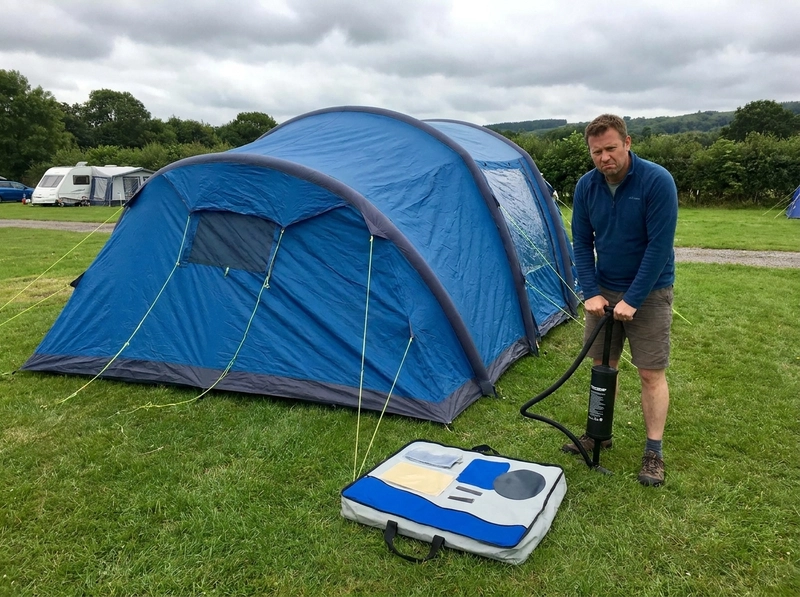
让我们从头开始:充气帐篷管到底是什么?基本上,想想就觉得神奇。它不是用金属或玻璃纤维杆,而是利用空气压力来支撑帐篷的形状。通常,它们由超坚固的防水材料制成。说实话,想想TPU(热塑性聚氨酯)或PVC涂层织物——你通过气阀给它们打气,就像给充气床垫或足球充气一样。一旦加压,管子就会锁定形状,非常出色地支撑起你的帐篷。.
设置方式各不相同。有些帐篷有一根连续的管子沿着支架延伸;另一些则有较小的管子,需要单独充气然后夹在一起。这些管子的酷炫之处在于它们能均匀分散压力。所以如果某个部位出现小漏气,有时其余支架仍能保持充气状态,足够你处理问题。.
与传统帐篷支架杆相比,充气帐篷管省去了那些烦人的连接件和弹力绳。说实话,因为管子是弯曲而不是折断,你在旅途中不太可能弄断“支架杆”。我在各种场景下都用过充气帐篷管,从周末快速背包旅行到为期一周的自驾露营探险。让我印象最深的始终是它们有多轻,以及搭帐篷有多快。.
如果你需要寻找 充气帐篷管替换件, ,请仔细核对帐篷的型号和气阀类型。Vango和Heimplanet等品牌很受欢迎,且有几种不同的设计,因此匹配零件至关重要。.
充气帐篷管与传统支架杆相比的优缺点
让我直说:充气帐篷管并不是适合每个露营者的神奇解决方案,但它们确实带来了全新的视角。.
लाभ:
- हल्का और संक्षिप्त: 充气帐篷管通常比铝制支架杆更轻。例如,改用充气帐篷管可以为你的背包减重一磅或更多——当你徒步数英里时,这一点非常重要。.
- तेज सेटअप: 打上气,几分钟就搞定了。不再需要费力摆弄支架杆或笨拙地拼接零件。.
- टिकाऊता: 它们的柔韧性意味着与铝或玻璃纤维相比,更少出现突然断裂或碎裂的情况。.
- 舒适性: 这些管子能更好地吸收冲击力——如果你在风大或地面不平的地方露营,非常实用。.
नुकसान:
- 易被刺穿: 这就是问题所在。尖锐的岩石、荆棘,或者只是操作不当,都可能导致漏气。这就是为什么了解 如何修复充气帐篷管 的问题至关重要。.
- 需要妥善修补: 与可能弯曲但仍能使用的支架杆不同,管子的刺穿通常需要适当的补丁或更换。.
- 需要打气泵: 你必须携带打气泵,并相信它不会出故障。.
- 通常更贵: 充气系统可能比基本支架杆配置贵20-30%。.
为了让你有个概念,我曾经比较过一顶约4.5磅重的标准玻璃纤维支架杆帐篷和一顶使用充气帐篷管、重量不到3.8磅的帐篷。当每一盎司都很重要时,这种差异就变得非常明显。.
在充气帐篷管和传统支架杆之间做选择时,想想你的露营风格。如果你在偏远地区背包旅行,更轻的重量和更快的搭建速度可能胜过刺穿的风险。对于自驾露营,传统支架杆通常更耐用、更省心,因为你不太担心粗暴操作。.
如何正确使用和维护你的充气帐篷管
关键在于:如果你想延长这些管子的使用寿命,“使用”充气帐篷管和真正“保养”它们是两件截然不同的事情。我见过有人把问题归咎于管子,而真正的原因其实是忽略了基本的保养。.
我个人的日常流程是这样的:
- फुलाना: 使用帐篷附带的打气泵或兼容的打气泵。不要过度充气——这会给接缝带来压力,增加漏气的可能性。大多数制造商建议3-5 PSI。有些打气泵甚至带有压力表,但如果你的没有,只需充到管子感觉结实但不是硬邦邦即可。.
- निरीक्षण: 旅行前后,仔细检查你的管子。检查是否有磨损、微小孔洞,以及气阀或弯曲处的应力点。.
- सफाई: 污垢和沙子会刮伤材料。使用后,用温和的肥皂和水擦拭,然后完全晾干再存放。.
- स्टोरेज: 始终完全放气,存放在干燥、清洁、温度不极端的地方。不要折叠得太尖锐;轻轻卷起来对材料更友好。.
- 操作: 搭建或收纳时,避免在粗糙地面或岩石上拖拽管子。选择一个好的露营地或使用地布,可以为你日后省去很多麻烦。.
我记得有一次和朋友一起露营,他完全跳过了保养步骤,结果管子漏气,把那一夜搞得一团糟。幸运的是,第二天早上快速补了一下,他就恢复了正常。在那之后,我发誓一定要给这些管子应有的关注。.
分步指南:如何修补漏气的充气帐篷管
现在,这是通常让人紧张的部分:在野外修补漏气。好消息是?如果你有合适的工具和一点耐心,这远没有听起来那么可怕。.
What you’ll need:
- Repair patch kit (often included with the tent)
- Cleaning wipes or rubbing alcohol
- Fine sandpaper (optional)
- Scissors
- A pump or, if desperate, your own breath to inflate during repair
第1步:找到漏气点
Partially inflate your tube and listen closely or feel for escaping air. A popular trick is to dab soapy water on the surface—bubbles will form exactly where the leak is. It takes some time but works best.
第2步:完全放气
Once the spot’s found, deflate the tube completely. You want a dry, flat surface for patching.
第3步:清洁修补区域
Use alcohol wipes or mild soap and water to clean and dry the spot. Any dirt or oil reduces patch adhesion.
第4步:(可选)轻轻打磨
Gently roughen the area around the hole with fine sandpaper to help the patch stick better.
第5步:贴上补丁
Cut a patch just a bit bigger than the hole, rounding the edges to prevent peeling. Remove the backing and firmly press it down. Some patches take time to set, so keep everything flat and avoid stressing the spot.
第6步:静置固化
Give the patch at least a few hours to bond, ideally overnight.
第7步:测试效果
Pump the tube fully and check carefully for any air leaks. If all’s good, you’re back in business.
If your damage is more severe or you don’t have a repair kit, some brands offer inflatable tent tube replacements or parts, which can really save the day.
在哪里购买充气帐篷管替换件和配件
Tracking down quality replacement parts can feel like searching for a needle in a haystack. You can Google “inflatable tent tube near me,” but availability often depends on where you live.
Here’s what’s worked for me:
- Brand Websites: Names like Vango, Heimplanet, and Outwell often stock official replacement tubes, repair kits, valves, and pumps. Ordering direct is usually your safest bet for compatibility.
- Outdoor Retailers: REI, Cabela’s, or local outdoor gear shops sometimes carry these items. Calling ahead with “inflatable tent tube store in [your city]” can save you wasted trips.
- Online Marketplaces: Amazon and eBay sell parts, but watch out for cheap knock-offs or generic products that might not fit your tent.
- Local Repair Shops: If you’re lucky enough to be near a good outdoor gear repair shop, they might fix or replace tubes—especially in larger cities or popular camping areas.
Before you buy, double-check your exact model and tube type. Nothing’s worse than ordering the wrong size and having to deal with a return.
Also, consider grabbing extras like spare valves, repair patches, or backup pumps—they’re small investments that can add a lot of life to your tent.
常见问题解答
Q: What’s an inflatable tent tube, and how does it differ from regular poles?
A: It’s basically an air-filled tube that forms your tent’s framework instead of metal or fiberglass poles. It’s lighter and quicker to set up but needs care to avoid leaks.
Q: How do I fix leaks on the go?
A: Use a repair patch kit. Inflate the tube partly, locate the leak by listening or using soapy water bubbles, then clean, sand lightly, and patch the hole.
Q: Where do I buy replacement parts?
A: Official brand sites, specialized outdoor retailers, and online marketplaces are your best bets. Searching “inflatable tent tube near me” helps find local options.
Q: Are these tubes tough enough for backpacking?
A: Yes, with one caveat: they’re more vulnerable to punctures than poles. Proper care and bringing a repair kit keep you covered.
Q: When should I replace my tube?
A: It depends on use and care, but regular maintenance helps them last for several seasons. Frequent leaks or seam damage mean it’s time to replace.
Q: Can I use any pump to inflate the tube?
A: Stick with the manufacturer’s recommended pump to avoid overinflation or underinflation, which risks damaging the tube.
Next time you’re gearing up for the outdoors, ask yourself: Is your inflatable tent tube ready to go? From quick patches to finding the perfect replacement parts, a little know-how can save you from a frustrating night and keep your adventures comfy. Don’t let a tiny leak ruin your trip—get to know your gear, be prepared, and enjoy how inflatable tent tubes add a whole new freedom to camping.