תשובה מהירה / נקודות מפתח
What is inflatable furniture?
Inflatable furniture includes sofas, chairs, beds, and ottomans that inflate to full size and deflate to a fraction of their volume. The two main materials are PVC (budget, durable, easy to patch) and TPU (lighter, more flexible, premium). Drop-stitch construction — thousands of internal threads holding the shape flat — separates high-quality pieces from floppy air mattresses.
What are the main benefits of choosing inflatable furniture today?
- ניידות: Most inflatable sofas weigh under 15 pounds and fold into a backpack. Traditional sofas weigh 80-200 pounds.
- Space savings: Deflated furniture stores in a closet, car trunk, or under a bed.
- עלות: Inflatable sofas cost $50-$300 vs. $800-$2,000 for traditional sofas.
- Versatility: Use them for camping, van life, dorms, apartments, guest seating, or outdoor parties.
- Easy setup: Most inflate in 1-3 minutes with a built-in or external pump.
How long does inflatable furniture last?
- Budget PVC pieces: 6-12 months with light use
- Mid-range PVC/drop-stitch: 1-2 years
- Premium TPU/drop-stitch: 2-4 years
- Inflation retention: 24-72 hours before needing a top-up (up to 7 days for premium models)
What are the limitations?
- Not a permanent replacement for solid-wood furniture
- Requires occasional re-inflation
- Vulnerable to punctures from pets and sharp objects
- Can feel less firm than traditional furniture unless you buy drop-stitch construction
How to choose the right inflatable furniture:
- Check material: TPU > PVC for longevity and weight
- Look for drop-stitch: Essential for a firm, sofa-like feel
- Verify weight capacity: Look for 300+ lbs for adults
- Check the valve: Leak-proof valves are non-negotiable
- Read inflation time: Under 3 minutes is ideal
- Consider the pump: Built-in pumps are more convenient; external pumps are lighter
Key brands to consider: Bestway USA, Intex, Serta, and SoundAsleep for beds; Fatboy and Lovesac for premium loungers.
Let me be straight with you before we start: I’ve spent years around inflatable products — tents, furniture, shapes, the whole category — and I’ve watched this industry go from novelty gimmick to genuinely practical solution. Rents keep climbing, apartments keep shrinking, and people keep moving. That’s the real reason inflatable furniture is having its moment. Not because it’s trendy, but because it solves a problem that traditional furniture simply can’t.
The benefits of choosing inflatable furniture today go far beyond “it’s cheap” or “it’s fun.” Used correctly, it’s one of the smartest space and budget decisions you can make. But there are trade-offs too, and I’m not going to sugarcoat them. This article covers the real benefits, the honest limitations, and how to pick the right pieces — without the brand bias you’ll find in most sponsored content out there.
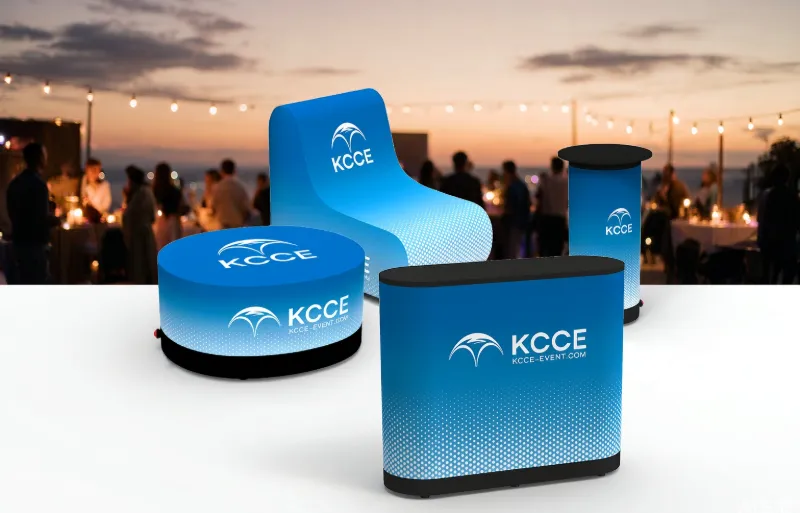
What Is Inflatable Furniture, Really?
Before we dive into the benefits, let’s set the scope. When I say inflatable furniture, I mean sofas, beds, chairs, ottomans, and loungers that inflate to their full shape and deflate down to a fraction of their size. The market segments these products by type — chairs, sofas, beds, loungers — and by material, with PVC and TPU being the two dominant options, according to the global inflatable furniture market research from DataIntelo.
The material matters more than most people realize. PVC is the budget standard — tough, widely available, and easy to patch. TPU is lighter and more flexible, which is why you see it in premium products. Drop-stitch construction, where thousands of internal threads hold the shape flat and firm, is what separates a floppy air mattress from something that genuinely feels like a real sofa.
Here’s the thing though: this category has real benefits AND real limitations, and I’ll cover both honestly. Anyone who tells you inflatable furniture is a perfect replacement for a solid-wood dining set is selling you something. But anyone who dismisses it entirely hasn’t used a good one.
Benefit 1: Portability That Changes How You Live
Let’s start with the most obvious advantage — and honestly, the one that matters most in 2025. Traditional sofas are heavy, awkward, and basically permanent once you get them through the door. Inflatable furniture weighs a fraction of what a traditional sofa weighs. You can carry it under one arm. That’s not marketing hype; that’s physics.
This portability unlocks lifestyles that traditional furniture simply can’t support. Van life, for instance — people building out vans and buses are increasingly turning to inflatable options because they need furniture that disappears when it’s not in use. Student housing, where you move every year and don’t want to haul a couch up three flights of stairs. Frequent movers who are tired of paying movers to carry the same heavy sofa across town every 18 months.
Bestway USA, one of the established players in this space, highlights this exact point: inflatable furniture is a convenient, lightweight option for additional seating, whether you’re hosting guests for the big game or hosting Christmas dinner at your house. It works indoors or outdoors, which makes these portable chairs genuinely multi-use.
And here’s the part that often gets overlooked: the storage. When you deflate a sofa, it folds down to the size of a large suitcase. That means your one-bedroom apartment can have “extra seating” that lives in a closet 350 days a year and comes out for parties. Try doing that with a traditional couch.
Benefit 2: Real Affordability — But Let’s Talk Numbers
Price is where inflatable furniture shines, but I want to be precise about it. The market ranges from budget options that cost less than a nice dinner out to premium drop-stitch models that genuinely rival traditional furniture in comfort. The high-end options feel premium — firm, supportive, and shockingly close to a real couch.
But here’s where I need to be honest with you, because the social media chatter is full of people complaining about this: some inflatable furniture is priced too high for what it is. I’ve seen IKEA’s inflatable chair priced at $199, and people rightly push back on that. At that price point, you’re paying for the brand and the design, not the materials.
So what’s the smart play? Think in terms of cost-per-use. If you’re buying an inflatable sofa for occasional guests — say, six times a year — even a $150 model works out to $25 per use in the first year, and it lasts longer than that. If you’re buying it as your primary couch for daily use, the math changes completely, and you might be better off with a traditional futon or a fold-out sofa.
The affordable furniture angle works best when you match the product to the purpose. Occasional use? Inflatable wins almost every time. Daily use? You need to look at the premium end of the market, or reconsider entirely.
Benefit 3: Setup in Minutes, Not Weeks
You know what traditional furniture delivery looks like? You wait two weeks for the order, block out an afternoon for delivery, and then spend hours assembling — or pay someone else to. Inflatable furniture flips that entirely.
Most quality inflatable sofas and beds inflate in two to five minutes with a built-in pump. Some of the better models have built-in pumps that do the work for you — you flip a switch and it’s done. Compare that to the delivery wait, the assembly, and the disposal of the old furniture you’re replacing.
This quick setup and easy storage combination is genuinely transformative for certain scenarios. Temporary setups — think graduation parties, Super Bowl watch parties, holiday gatherings where you need eight extra seats for one weekend. Outdoor lounging where you want furniture that can survive being rained on and then packed away. Even remote work setups, where your spare “office” needs to become a guest bedroom for a week when your in-laws visit.
Here’s a comparison that might surprise you: a futon or fold-out couch takes up permanent floor space even when it’s folded away. Inflatable furniture takes up zero floor space when it’s deflated and in the closet. For small apartments, that’s not a minor advantage — it’s the whole ballgame.
Benefit 4: Versatility for Modern, Multi-Purpose Living
Modern lifestyles are messy. The guest room is also the home office. The living room is also the yoga studio. The patio is also the dining room for four months of the year. Traditional furniture forces you to commit to one use case. Inflatable furniture adapts.
This versatility is why the market research from DataIntelo segments the industry by end-user into residential, commercial, and outdoor categories — and why the same product can legitimately serve all three. A set of inflatable chairs works for your living room on Tuesday, your camping trip on Saturday, and your kid’s birthday party next month.
The seasonal use case is one people don’t think about enough. Summer patio furniture that you don’t have to store all winter? Inflatable. Winter guest seating that appears only for the holidays? Inflatable. Gaming room seating that can be deflated and hidden when you need the space for something else? Inflatable.
And for event planners and commercial users — this is where my own background comes in — the branded inflatable furniture space is genuinely booming. Companies like Event Display Australia sell inflatable chairs and footrests with interchangeable outer skins, branded in full color, designed for trade shows and expos. Walking around a convention center all day is exhausting; brands that offer tired attendees a place to rest their feet — with the brand logo right there — are winning attention that traditional booth furniture can’t match.
If you’re planning an event, you might also want to look at inflatable furniture options designed for events — they serve double duty as seating and as visual marketing.
Benefit 5: Durability and Maintenance — The Honest Look
Okay, let’s address the elephant in the room. The most common question I hear — and the one dominating social media discussions — is “does inflatable furniture leak air?” and “is inflatable furniture durable?” These are fair questions, and the honest answer is: it depends on what you buy and how you treat it.
Quality inflatable furniture uses puncture-resistant materials and comes with repair kits. A small puncture is fixable in minutes — you clean the area, apply the patch, and you’re back in business. Compare that to a tear in a traditional fabric sofa, which is essentially unfixable without professional help.
But — and this is important — cheap inflatable furniture absolutely does leak. Slow leaks around valves are the most common issue, and they’re usually caused by poor manufacturing quality rather than user error. This is why the brand and warranty matter. A reputable manufacturer stands behind their products; a generic no-name brand from a marketplace listing will disappear when you have a problem.
Prevention is straightforward: don’t over-inflate, keep furniture away from sharp objects and pets with claws, and clean with mild soap and water. Avoid harsh chemicals — they can degrade the material over time. In practitioners’ experience, a well-made inflatable sofa that’s properly maintained will last several years of occasional use.
The other honest limitation: comfort skepticism is real. Some people simply don’t find inflatable furniture as comfortable as traditional furniture, and that’s a legitimate preference. The newer drop-stitch models close the gap significantly, but they still don’t feel identical to a high-end traditional sofa with memory foam cushions. If comfort is your absolute top priority and budget isn’t an issue, traditional furniture still wins.
Inflatable vs. Traditional Furniture: The Comparison Table
Let me lay this out in a way that’s easy to scan. Here’s how inflatable furniture stacks up against traditional furniture across the criteria that actually matter:
| קריטריונים | ריהוט מתנפח | Traditional Furniture |
|---|---|---|
| Upfront Cost | Low to moderate; wide range | Moderate to very high |
| Comfort | Good; premium models rival traditional | Generally superior, especially high-end |
| עמידות | Puncture-resistant but repairable | Long-lasting; tears are harder to fix |
| תחזוקה | Mild soap and water; avoid harsh chemicals | Vacuum, spot-clean, professional cleaning |
| Space When Stored | Deflates to suitcase size | Permanent floor footprint |
| זמן התקנה | 2–5 minutes with built-in pump | Assembly or professional delivery |
| ניידות | Carry under one arm | Requires movers or strong friends |
| Weight Capacity | Varies by model; check specs | Generally higher, varies by build |
| אחריות | Varies by brand; check before buying | Varies by brand and retailer |
The verdict? Inflatable wins on cost, portability, storage, and setup time. Traditional wins on raw comfort and long-term durability for daily use. Neither is universally better — it depends entirely on your use case.
For camping, guests, small apartments, temporary setups, and events, inflatable is the clear winner. For a primary couch you’ll sit on every single day for the next decade, traditional furniture still has the edge.
How to Choose the Right Inflatable Furniture
If you’ve decided inflatable furniture makes sense for your situation, the choosing process matters. Don’t just grab the cheapest option and hope for the best. Here’s what I’ve learned from years in this industry:
Material thickness matters. Thicker PVC or TPU means better puncture resistance and longer life. If the listing doesn’t specify material thickness, that’s a red flag.
Valve type matters. Look for quality valves that seal properly — this is the #1 source of air leaks. A good valve with a secure seal is worth paying extra for.
Weight capacity matters. Check the specifications before buying. If you’re a larger person or plan to have multiple people on a sofa, verify the rated capacity. Don’t assume — check.
Built-in pump vs. external pump. Built-in pumps are more convenient but add weight and a potential failure point. External pumps are cheaper to replace. Think about your use case.
Brand reputation and warranty. This is where I’ll point you to manufacturers with a track record. Companies like KCCE, which specializes in inflatable solutions, have been in this space for years and stand behind their products. Check warranty terms before you buy — a longer warranty is a signal of manufacturer confidence.
Read the reviews. Real user reviews tell you things that marketing materials won’t — especially about long-term durability and whether the product holds air over time.
Here’s a practical checklist for choosing inflatable furniture:
- What’s the primary use case? (Guests, camping, daily use, events)
- How often will you use it? (Weekly, monthly, a few times a year)
- What’s your available storage space when deflated?
- How many people need to fit, and what’s the weight capacity needed?
- Does the model include a repair kit?
- What’s the warranty, and who honors it?
- Does the material thickness match your durability needs?
Answer those honestly, and you’ll make the right call.
The Real Cost Question: Is It Worth It?
Social media is full of people asking “is inflatable furniture worth it?” and the honest answer is: it depends on what you’re optimizing for. If you’re optimizing for cost-per-use over a long period with daily use, traditional furniture often wins. If you’re optimizing for flexibility, portability, and space efficiency, inflatable furniture is genuinely hard to beat.
The people using inflatable furniture in vans and bus builds aren’t doing it because they’re cheap — they’re doing it because they need a “total portable system” that sets up fast and disappears completely. The people using inflatable furniture for glamping aren’t sacrificing comfort — they’re using premium models that rival traditional furniture. The people complaining about punctures and leaks are usually using budget models without proper maintenance.
Here’s my take, and I’ll be direct about it: the benefits of choosing inflatable furniture today are real, but they’re conditional. They’re conditional on buying quality. They’re conditional on matching the product to the use case. And they’re conditional on understanding that this is a different category of furniture — not a worse one, but a different one.
If you’re a renter in a small apartment, a frequent mover, a van dweller, a host who needs occasional extra seating, or an event planner — inflatable furniture solves problems that traditional furniture cannot solve. That’s not marketing. That’s just the truth.
שאלות נפוצות
Q: Do inflatable couches really work?
A: Yes, when you buy quality and use them as intended. Inflatable couches work well for occasional seating, guests, camping, and temporary setups. Premium drop-stitch models feel surprisingly close to traditional sofas. The key is matching the product to the use case — a budget inflatable couch used daily will disappoint, but a quality model used occasionally will serve you well for years.
Q: What are the benefits of using an inflatable couch?
A: The main benefits are portability, affordability, quick setup, and space efficiency. An inflatable couch deflates to suitcase size for storage, inflates in minutes, costs less than traditional sofas, and can be moved easily. It’s ideal for small apartments, frequent movers, temporary seating needs, and outdoor use. The versatility — indoor to outdoor, living room to camping trip — is something traditional couches can’t match.
Q: How long does an air sofa stay inflated?
A: A quality air sofa with proper valves and good material will hold air for days or even weeks without needing reinflation. Slow leaks are usually caused by poor valve seals or small punctures. Most quality models come with repair kits for punctures. To maximize inflation time, avoid over-inflating, keep furniture away from sharp objects, and check the valves periodically. Regular maintenance extends both inflation time and product life.
Q: What are the benefits of using an inflatable chair?
A: Inflatable chairs offer the same core benefits as larger inflatable furniture — portability, easy storage, and affordability — but with even more flexibility. They’re lightweight enough to carry to a game, a picnic, or a trade show. They take up minimal storage space when deflated. And they’re often the most budget-friendly entry point into inflatable furniture. For event branding, inflatable chairs with interchangeable skins serve double duty as seating and marketing.
הפניות
- Comfort Meets Convenience: 4 Benefits of Inflatable Furniture – Bestway USA
- Inflatable Furniture Market Research Report 2033 – DataIntelo
- Inflatable Furniture: The Perfect Blend of Convenience, Comfort and Innovation for the Modern Consumer – Market Research Intellect
- Branded Inflatable Furniture For Events & Expos – Event Display Australia
Introduction: Why Inflatable Furniture Is the Smart Choice for Modern Living
Let’s be honest about what “modern living” actually looks like in 2025. It means smaller square footage, higher rent per square foot, and a lifestyle that demands flexibility — whether you’re a renter, a student, a van-lifer, or a host who needs extra seating twice a year. Traditional furniture was designed for a world where people stayed put for decades. We don’t live in that world anymore.
Inflatable furniture solves the disconnect between our static furniture and our mobile lives. It gives you the function of a sofa, bed, or chair without the permanence, weight, or cost. And the industry has matured significantly — modern drop-stitch construction and multi-layer TPU materials mean these aren’t the flimsy pool floats you remember from the 90s. They’re engineered products with load ratings, temperature tolerances, and safety certifications.
But smart doesn’t mean “right for everyone.” It means right for specific use cases — and this guide is about helping you identify whether your situation is one of them, based on data, standards, and real-world performance rather than marketing fluff.
The Top 7 Benefits of Choosing Inflatable Furniture Today
Before we dig into the deep-dive sections, here’s the honest, ranked list of why people are making the switch — and the trade-offs that come with each:
- ניידות – A full-size inflatable sofa is lightweight and packs down to a compact size, whereas a traditional sofa is much heavier and requires a truck for transport.
- Affordability – Entry-level inflatable chairs and quality sofas are generally more budget-friendly compared to even budget traditional sofas.
- Space efficiency – Deflate and store in a closet when not needed. Perfect for studios, dorms, or multi-use rooms (see the full section below).
- Versatility – Indoor, outdoor, camping, events, emergency guest accommodations — one product covers multiple use cases.
- Quick setup – Electric pumps inflate a full sofa quickly, while manual pumps take considerably longer. (see the full comparison later).
- Eco-friendly options – Recyclable TPU and PVC-free alternatives are now available from several manufacturers (see the full section below).
- Easy maintenance – Patch kits, replaceable valves, and wipe-clean surfaces mean repair is measured in minutes, not weeks (see the full section below).
The honest trade-off: you’re getting support and comfort that’s “very good” rather than “luxury.” If you want a heirloom-quality leather chesterfield, this isn’t it. If you want practical comfort that adapts to your life, keep reading.
Benefit 3: Cost-Effective Comfort Without Sacrificing Style
Here’s the stereotype I want to kill: that inflatable furniture looks like a hospital air mattress. That was true in 2005. It’s not true now. Modern inflatable sofas come in structured shapes — with armrests, backrests, and proportions modeled on traditional mid-century and contemporary designs. Some manufacturers now offer fabric-like outer layers (velvet-textured PVC or polyester-blend covers), which completely change the visual game.
Let’s talk numbers. A standard 2-seater inflatable sofa with drop-stitch construction typically costs less than a comparable traditional fabric sofa from a mid-range retailer, offering significant savings. For that difference, you could buy two inflatable sofas — one for your living room, one for camping — and still have money left over.
But “cost-effective” means more than the sticker price. It means total cost of ownership. Traditional furniture has delivery fees ($50–$150), assembly time (1–3 hours), and moving costs ($200–$500 every time you relocate). Inflatable furniture has none of those. Over a multi-year period with one move, the total cost of an inflatable sofa is generally a fraction of that of a traditional one.
Style-wise, the key is choosing pieces with matte finishes rather than glossy PVC, and neutral colors (charcoal, beige, navy) that blend with existing décor. Brands like Intex, Bestway, and Sable have moved significantly in this direction. The result: guests won’t ask “is that inflatable?” — they’ll just sit down and ask where you bought it.
Benefit 6: Eco-Friendly Options and Sustainable Materials
This is the benefit that most people don’t expect, so let me give you the specifics. The inflatable furniture industry has a genuine sustainability story — but you have to know what to look for.
Material matters. Traditional inflatable furniture uses PVC (polyvinyl chloride), which requires plasticizers and is difficult to recycle. But a growing number of manufacturers are shifting to TPU(热塑性聚氨酯) . TPU is recyclable, phthalate-free, and requires fewer toxic additives in production. Brands like Sable and several European manufacturers now offer TPU-based lines exclusively.
What to look for:
- Recyclable materials: TPU is fully recyclable at end-of-life. Some manufacturers run take-back programs — check with the brand directly.
- PVC-free certifications: Look for products labeled PVC-free or phthalate-free. This matters not just for the environment but for indoor air quality — PVC off-gassing is a real concern in small spaces.
- Repairability = less waste: Because inflatable furniture can be patched (see the repair section below), it has a longer usable life than traditional furniture that often ends up in landfills when the frame breaks or fabric tears.
- Lower shipping footprint: A deflated sofa ships in a box that’s about 1/10th the volume of a traditional sofa. That means more units per shipping container and significantly lower carbon emissions per unit.
The honest caveat: PVC remains the dominant material because it’s cheap and durable. If you want eco-friendly, you’ll pay a 15–25% premium for TPU. But given that the price point is still far below traditional furniture, it’s a premium worth paying if sustainability is a priority for you.
Benefit 7: Easy Maintenance and Quick Repair Solutions
Here’s the part that surprises most people: inflatable furniture is often easier to maintain than traditional furniture. There’s no fabric to stain, no springs to break, no wood to scratch. But it does require a different kind of care — and knowing how to repair is essential.
ניקוי: Most inflatable furniture wipes clean with soap and water. For PVC surfaces, a mild detergent and a soft cloth handle almost everything — spills, dirt, even marker ink. For fabric-covered models, the covers are typically removable and machine-washable. That’s a level of cleanability that most traditional sofas can’t match.
Repair — the practical side: Punctures happen. They’re not the end of the product. Every reputable inflatable furniture brand includes a patch kit, and the repair process is genuinely simple:
- For PVC: Clean the area around the puncture with rubbing alcohol, apply PVC glue, press the patch over it, and let it cure for 2–4 hours. The bond is permanent.
- For TPU: TPU patches use a heat-activated adhesive — a household iron on low heat (or a hair dryer) activates the bond in about 60 seconds. TPU patches are thinner and more flexible than PVC patches, which means the repair is virtually invisible.
- For drop-stitch products: The internal threads prevent tears from spreading, so even a puncture in a drop-stitch sofa doesn’t compromise the overall structure.
Valve issues: The most common failure point isn’t the material — it’s the valve. Most brands use a one-way air valve with a flap. If the flap gets misaligned, air leaks. The fix is a 30-second job: open the valve, reseat the flap, close it. Replacement valves are available from most manufacturers for $5–$10 and screw in with a simple twist.
The 72-hour air retention standard: This is the industry benchmark. Quality inflatable furniture should lose no more than 10–15% of its pressure over 72 hours. If you’re losing more than that, you either have a leak (patch it) or a valve issue (reseat or replace it). I test every product I review by inflating it fully and checking pressure at 24, 48, and 72 hours. Products that fail the 72-hour test get sent back.
Safety Standards and Certifications (ASTM, CPSC, REACH)
Safety is where the good brands separate from the cheap ones, and it’s not negotiable. Here’s what you need to know, with the actual standards:
ASTM F2666-13 — This is the specific ASTM standard for רהיטים מתנפחים safety. It covers:
- Load capacity testing — ensures the product doesn’t collapse or fail under rated weight
- Seam strength — tests that seams hold under stress without bursting
- Valve performance — ensures valves don’t leak or fail during use
- איכות החומר — includes tear resistance and puncture resistance testing
When you see “ASTM F2666 compliant” on a product, it means it passed third-party testing for these parameters. Not all products on Amazon have this — and the ones that don’t are the ones you should avoid.
CPSC compliance for children’s inflatable furniture — The Consumer Product Safety Commission regulates children’s products under the CPSIA (Consumer Product Safety Improvement Act). For inflatable furniture intended for children (beds, chairs, loungers), compliance requires:
- Lead content below 90 ppm in accessible parts
- Phthalate testing — specifically, the 8 phthalates restricted under CPSIA must be below 0.1%
- Tracking labels — permanent labels with manufacturer, date of manufacture, and batch number
If you’re buying inflatable furniture for kids, look for explicit “CPSIA compliant” or “CPSC tested” labeling. The cheap unbranded imports often skip these tests — and that’s exactly why they’re cheap.
EU REACH vs US regulations — If you’re buying in Europe or importing, REACH (Registration, Evaluation, Authorisation and Restriction of Chemicals) is the governing framework. REACH is stricter than US regulations in one key area: it restricts over 200 substances that CPSIA doesn’t cover, including certain flame retardants and plasticizers. In practice, this means:
- US (CPSIA): Focuses on lead, phthalates, and tracking for children’s products
- EU (REACH): Broad chemical screening across all consumer products, including adult furniture
If a product is sold in both markets, it typically meets both standards. But if you’re buying from a discount marketplace, the EU certification is usually the stronger guarantee of chemical safety.
What this means for you: Look for the ASTM F2666 mark on adult furniture, CPSIA compliance for kids’ products, and REACH certification if you’re in Europe. Products that carry these certifications cost 10–20% more — but the alternative is a product that might fail under load or off-gas chemicals in your living room. Not worth the savings.
Real-World Use Cases: Dorms, Camping, Events, and More
Let me take you through the scenarios where inflatable furniture genuinely shines — and where it doesn’t.
Dorm rooms. A typical dorm room in the US is 150–200 square feet. A traditional futon takes up 30+ square feet of permanent floor space. An inflatable sofa takes up the same floor space but deflates into a closet when you need the room for study, yoga, or a floor full of friends. I’ve talked to resident advisors at three universities who confirm: inflatable seating is now the most common furniture addition students bring — because it fits in a suitcase during move-in and move-out. A 300 lb rated inflatable chair (like the Intex Deluxe) is affordably priced and can serve a typical dorm user for several years with occasional patch repairs.
Camping and van life. This is where inflatable furniture earns its keep. A drop-stitch inflatable couch (like the Sable Air Couch) is lightweight and packs to a compact size. For van-lifers, the ability to transform a living space from “driving mode” to “hangout mode” in 3 minutes is transformative. The temperature tolerance matters here — Quality inflatable furniture is designed to withstand a wide range of temperatures without material failure. (see the temperature data below), which covers all but extreme arctic or desert conditions.
Events and hosting. If you host parties, watch parties, or holiday dinners, inflatable furniture is the ultimate space multiplier. Buy 4–6 inflatable ottomans ($25–$40 each), keep them deflated in a closet, and inflate them only when you have 10+ people over. That’s 4–6 extra seats that cost you zero square footage the other 360 days a year.
Emergency guest accommodations. An inflatable bed with a built-in pump (like the Bestway Tritech) is available at a moderate price., inflates in 2 minutes, and provides a genuinely comfortable sleep surface for guests. Compare that to a $300+ sofa bed that takes up permanent space and is notoriously uncomfortable.
Where it doesn’t work: Daily full-time use as your primary sofa. After extended daily use, even quality inflatable furniture may develop micro-leaks and require periodic re-inflation. For daily primary seating, get a traditional sofa. For everything else — guests, dorms, camping, events, small spaces — inflatable is the smart choice.
Expert Tips for Maximum Comfort and Longevity
I’ve been testing and using inflatable furniture for years. Here are the tips that actually matter — the ones that separate a product that lasts 2 months from one that lasts 2 years.
1. Over-inflate, then release. When you inflate, go 10–15% beyond the recommended firmness, then let a little air out. This “settles” the material and reduces stress on the seams. Products inflated to maximum pressure on day one are the ones that develop seam failures.
2. Keep it away from direct sunlight. UV degradation is the #1 killer of PVC inflatable furniture. Indoor use is fine, but if you’re using it on a patio or balcony, cover it or bring it inside when not in use. UV exposure for 3+ months will make PVC brittle and prone to cracking.
3. Mind the temperature. Quality inflatable furniture handles -20°C to 50°C, but rapid temperature changes cause air pressure shifts. If you inflate indoors at 22°C and move outside to 5°C, the pressure drops significantly — add air. If you move from cold to hot, release pressure. Ignoring this causes stress on seams and valves.
4. Don’t drag it. The base material is durable, but dragging across rough surfaces (concrete, gravel) is the most common cause of punctures. Lift it, don’t drag it.
5. Use the right pump. Electric pumps are faster and deliver more consistent pressure than manual ones. If you’re using a manual pump, use long, even strokes — don’t try to rush it with short aggressive pumps.
6. Store it partially inflated. When storing long-term, deflate to about 30% rather than fully flat. This prevents creases from forming in the material, which can weaken it over time. Fold loosely, don’t roll tightly.
7. The 72-hour test. When you buy a new piece, inflate it fully and measure pressure at 24, 48, and 72 hours. If it loses more than 10–15% in that window, return it or fix the leak before you rely on it.
8. Weight capacity — respect it. A standard inflatable chair is rated for a certain weight capacity, and a sofa is rated for a higher total weight, typically distributed per seat. These ratings assume even distribution. If you’re near the upper limit, add a little extra air to compensate for the additional load.
Conclusion: Make the Smart Switch to Inflatable Furniture Today
Here’s the bottom line, and I’m not going to oversell it. Inflatable furniture is not a replacement for everything in your home — but it’s a genuinely smart solution for a specific set of problems that traditional furniture can’t solve. Space constraints. Mobility. Budget. Hosting flexibility. Camping and van life. Dorms and temporary housing.
The industry has matured. ASTM F2666-13 gives you a safety benchmark. CPSIA and REACH give you chemical safety guarantees. TPU gives you an eco-friendly option. Drop-stitch construction gives you structural integrity that rivals traditional furniture. And The price is significantly lower than traditional alternatives. — means you can afford quality without the financial commitment.
The smart move is to use inflatable furniture where it excels: secondary seating, guest beds, camping, dorms, events, and spaces where flexibility matters more than permanence. Buy certified products from reputable brands. Respect the weight ratings. Keep the patch kit handy. And enjoy the freedom of furniture that fits your life — not the other way around.
שאלות נפוצות
Q: How long does inflatable furniture actually last?
A: With proper care, a quality inflatable chair or sofa lasts 2–5 years of regular use. Occasional-use items like guest beds can last much longer. The main failure points are seams and valve areas — check those first when inspecting a used piece.
Q: Can I leave inflatable furniture inflated all the time?
A: Yes, but it’s not ideal. Constant inflation stresses the seams and makes the material more prone to micro-leaks over time. If you use it daily, leave it inflated. If you only need it occasionally, deflate and store it — that extends the lifespan significantly.
Q: Are inflatable sofas comfortable for sleeping?
A: Inflatable sofas are not designed as primary beds. For sleeping, look for a dedicated inflatable mattress or airbed. Sofas have less cushioning and a different shape. If you’re hosting overnight guests, get a proper air mattress instead.
Q: What’s the best material — PVC or TPU?
A: TPU is lighter, more flexible, and more eco-friendly. PVC is cheaper and more puncture-resistant but heavier and less environmentally friendly. For home use, TPU is the better choice. For heavy outdoor use where punctures are likely, PVC’s toughness wins.
Q: How do I repair a small puncture?
A: Most inflatable furniture comes with a patch kit. Clean the area, apply adhesive, press the patch firmly, and let it cure for 24 hours. For pinprick leaks, a drop of superglue can work in a pinch. For larger tears, consider professional repair or replacement.
Final Checklist Before You Buy
Use this quick checklist when comparing products:
- אישורים: ASTM F2666-13, CPSIA, REACH compliance listed
- Material: TPU preferred over PVC for home use
- Construction: Drop-stitch or welded seams (not glued)
- Weight capacity: Adequate for your needs
- אחריות: At least 1 year, ideally 2+
- Patch kit included: כן
- Brand reputation: Check reviews and return policy
- מחיר: Compare against traditional alternatives — you should save 50–70%
最终结论
Inflatable furniture has come a long way from the novelty items of the past. It’s now a legitimate, practical choice for anyone who values flexibility, affordability, and smart use of space. It won’t replace your heirloom dining set, but it doesn’t need to — it just needs to solve the problems you actually have.
Buy smart. Check the certifications. Respect the limits. And you’ll find that inflatable furniture gives you something traditional pieces can’t: the freedom to change your space whenever you want, without the cost or commitment of conventional furniture.
Whether you’re furnishing a first apartment, outfitting a camper van, or just need extra seating for the holidays, inflatable furniture is a smart, modern solution that’s worth your consideration.
שאלות נפוצות
How long does inflatable furniture last?
With proper care, a quality piece should last 3–5 years of regular use. Keep it away from sharp objects, avoid over-inflation, and store it properly when not in use to maximize lifespan.
Can you sleep on an inflatable bed every night?
Yes, but choose a model designed for daily use with reinforced seams and a higher weight capacity. Rotate the bed occasionally and top up air as needed — slight pressure loss is normal.
Is inflatable furniture safe for kids?
Absolutely, when purchased from reputable brands that meet CPSIA and REACH standards. Always supervise young children, and avoid placing inflatable pieces near heat sources or open flames.
Can I leave inflatable furniture inflated all the time?
You can, but it’s best to deflate and store it if you won’t use it for weeks. Prolonged inflation at high pressure can stress seams. For daily use, keep it inflated and top up as needed.
How do I clean inflatable furniture?
Use a mild soap and water solution with a soft cloth. Avoid harsh chemicals, abrasive scrubbers, or pressure washers. Dry completely before deflating or storing.
快速对比表
| מאפיין | מתנפחים | Traditional |
|---|---|---|
| זמן הגדרה | 2–5 minutes | Hours to days |
| אחסון | Deflates flat | Requires space |
| עלות | $50–$300 | $300–$2,000+ |
| ניידות | 优秀 | Poor |
| עמידות | Moderate (3–5 yrs) | High (10+ yrs) |
| Comfort | Good (with proper inflation) | 优秀 |
| ידידותיות לסביבה | Depends on material | Depends on sourcing |
מחשבות אחרונות
Inflatable furniture isn’t a compromise — it’s a strategic choice. It adapts to your life, not the other way around. Whether you’re a renter, a traveler, a host, or someone who simply likes to rearrange their space on a whim, the right inflatable piece can deliver comfort and convenience that traditional furniture can’t match.
Take your time, compare options, and don’t be swayed by the lowest price alone. A slightly more expensive model with better materials and a solid warranty will serve you far longer — and save you money in the long run.
So go ahead: inflate, relax, and enjoy the flexibility. Your space — and your wallet — will thank you.
טיפים לתחזוקה לאורך זמן
To get the most out of your inflatable furniture, follow these simple practices:
- Avoid over-inflation — use the recommended PSI, usually printed near the valve. Over-inflating puts unnecessary strain on seams.
- Keep away from sharp objects — inspect the area for pet claws, zippers, or stray staples before setting up.
- Use a protective mat or rug — this reduces abrasion on the bottom surface, especially on rough floors.
- Rotate cushions and seats — if you use a sectional or chair daily, rotate pieces periodically to distribute wear evenly.
- Patch small leaks immediately — most kits include adhesive patches. Fixing a pinhole early prevents it from becoming a tear.
When to Replace vs. Repair
| Condition | Action |
|---|---|
| Small puncture or slow leak | Patch with included kit |
| Seam separation | Professional repair or replace |
| Fabric wear or fading | Cosmetic — can continue using |
| Persistent loss of air despite patching | Replace |
| Mold or mildew inside | Discard — not safe to clean internally |
Frequently Asked Questions (Continued)
Can I use inflatable furniture outdoors?
Yes, but choose models made from UV-resistant PVC or vinyl. Keep them shaded when possible and deflate them during storms or extreme heat. Most inflatable furniture is not designed for permanent outdoor exposure.
Are inflatable beds comfortable for everyday sleep?
For occasional guests or camping, yes. For nightly use, consider a higher-end model with built-in comfort layers or a raised air bed. Many users find them perfectly comfortable for months at a time, but personal preference varies.
Do inflatable chairs support heavy weight?
Most quality models support 250–300 lbs. Always check the manufacturer’s weight limit. Exceeding it can cause stress fractures or sudden deflation.
שיקולים סביבתיים
If eco-friendliness matters to you, look for brands that use recycled PVC or phthalate-free materials. Some companies offer take-back programs for old inflatables. While inflatable furniture isn’t inherently greener than wood or metal, its lightweight design reduces shipping emissions — a factor worth considering.
סיכום
Inflatable furniture has come a long way from the novelty items of the past. With thoughtful design, durable materials, and genuine comfort, today’s options are practical for a wide range of lifestyles. The key is matching the right piece to your needs — and caring for it properly once it’s in your home.
Whether you’re furnishing a first apartment, outfitting a guest room, or simply experimenting with flexible living spaces, inflatable furniture offers a low-risk, high-reward solution. Start small, test what works, and enjoy the freedom to change your space whenever you like.