Balancing Visibility and Portability for Outdoor Events
Event planners often wrestle with the challenge of drawing eyes without hauling bulky equipment across miles of terrain. Inflatable advertising tents become a smart pick here because they pack down to manageable sizes but rise into striking, sizable structures in seconds. Unlike traditional pop-ups with rigid frames, these tents set up quickly, saving valuable time on busy event days. The inflatable design lends itself well to uneven or soft ground, offering stability through internal air pressure rather than relying solely on stakes or weight.
This flexibility is handy on festivals, fairs, or outdoor markets where terrain and weather can shift rapidly. You can reposition or reorient an inflatable advertising tent without the heavy lifting associated with metal frames. The trade-off comes in durability: these tents might be sensitive to sharp objects or require continuous air supply if using blower-based inflation, so planning for maintenance and repair kits is essential.
Customization Choices That Meet Brand and Budget Needs
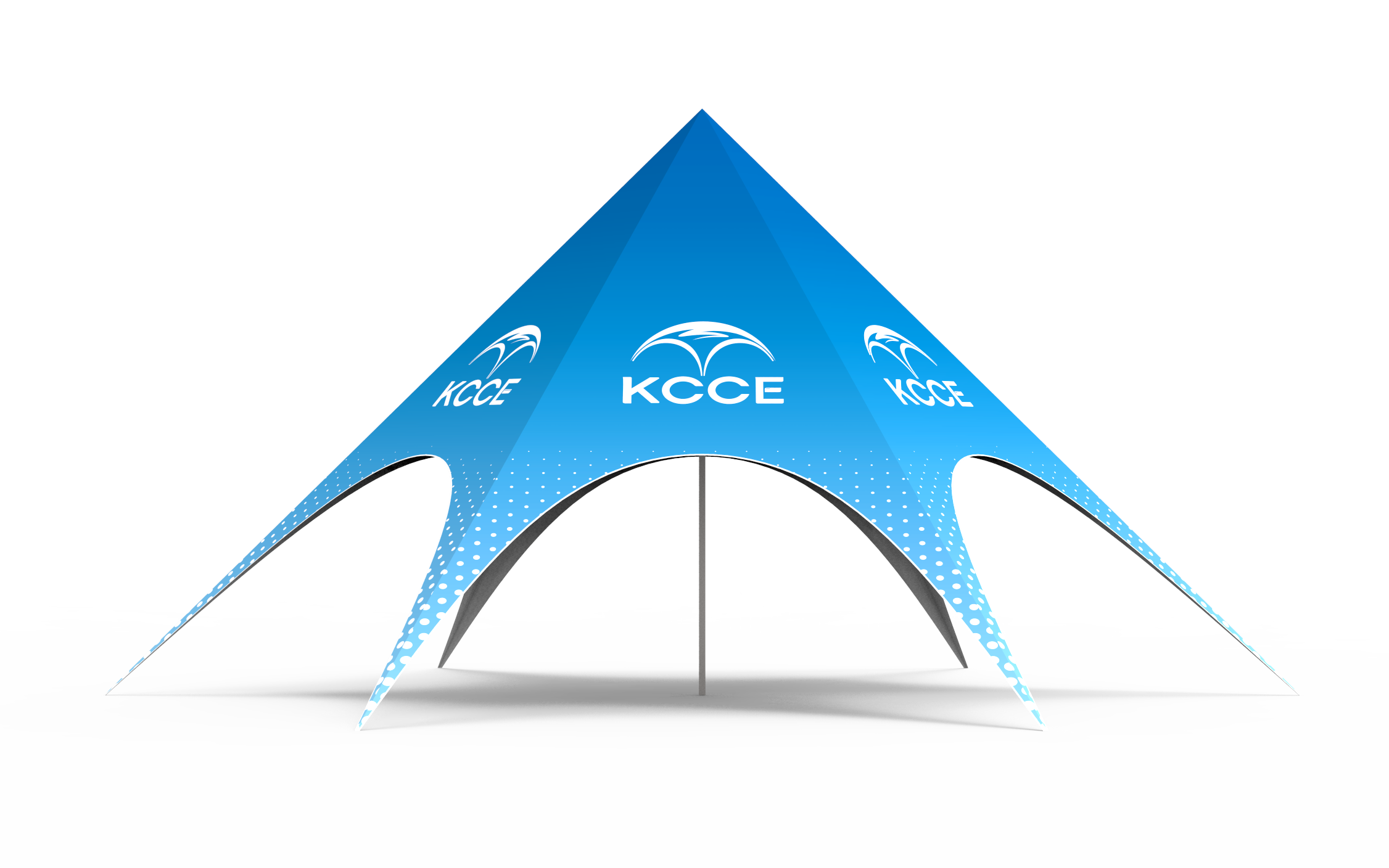
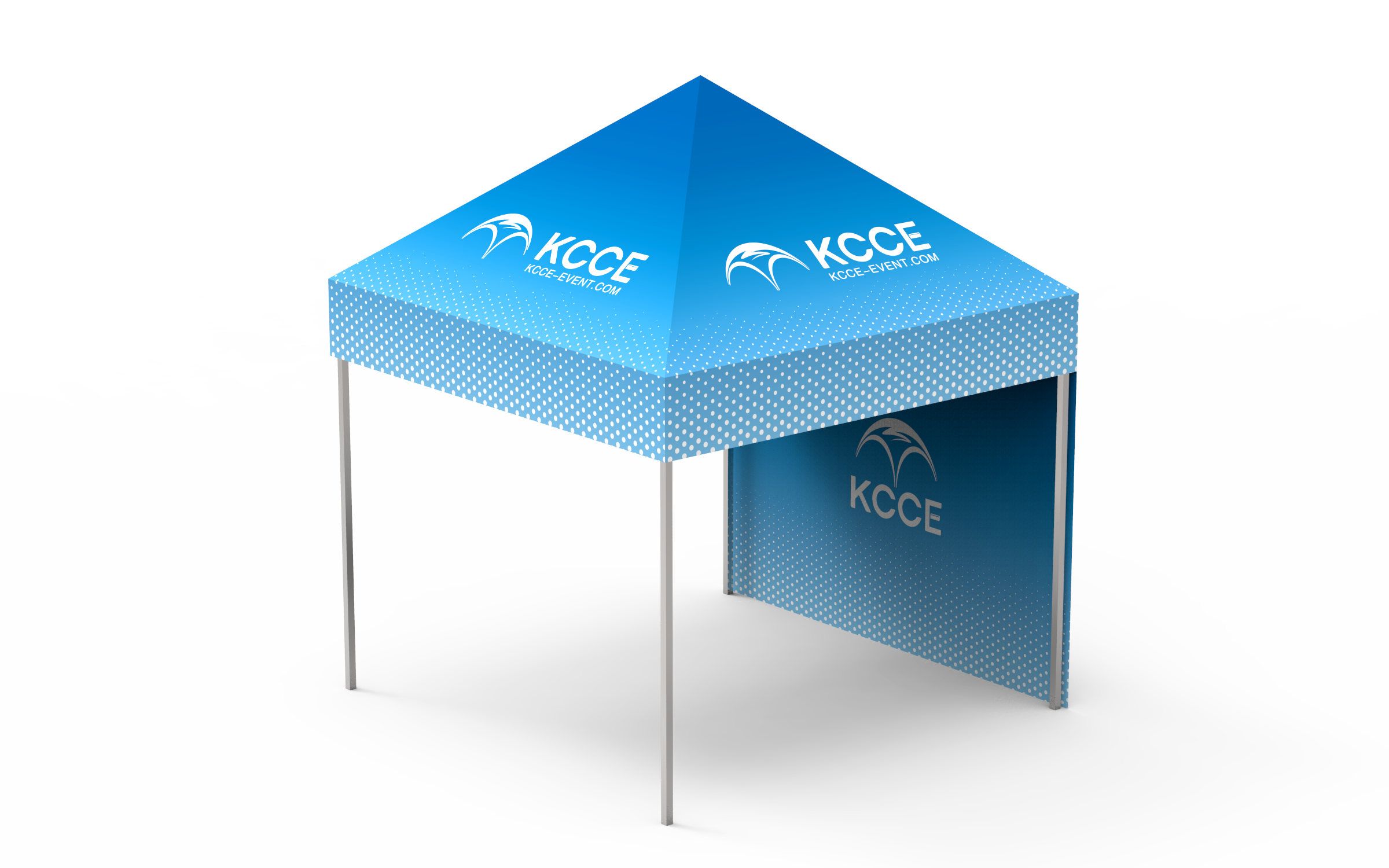
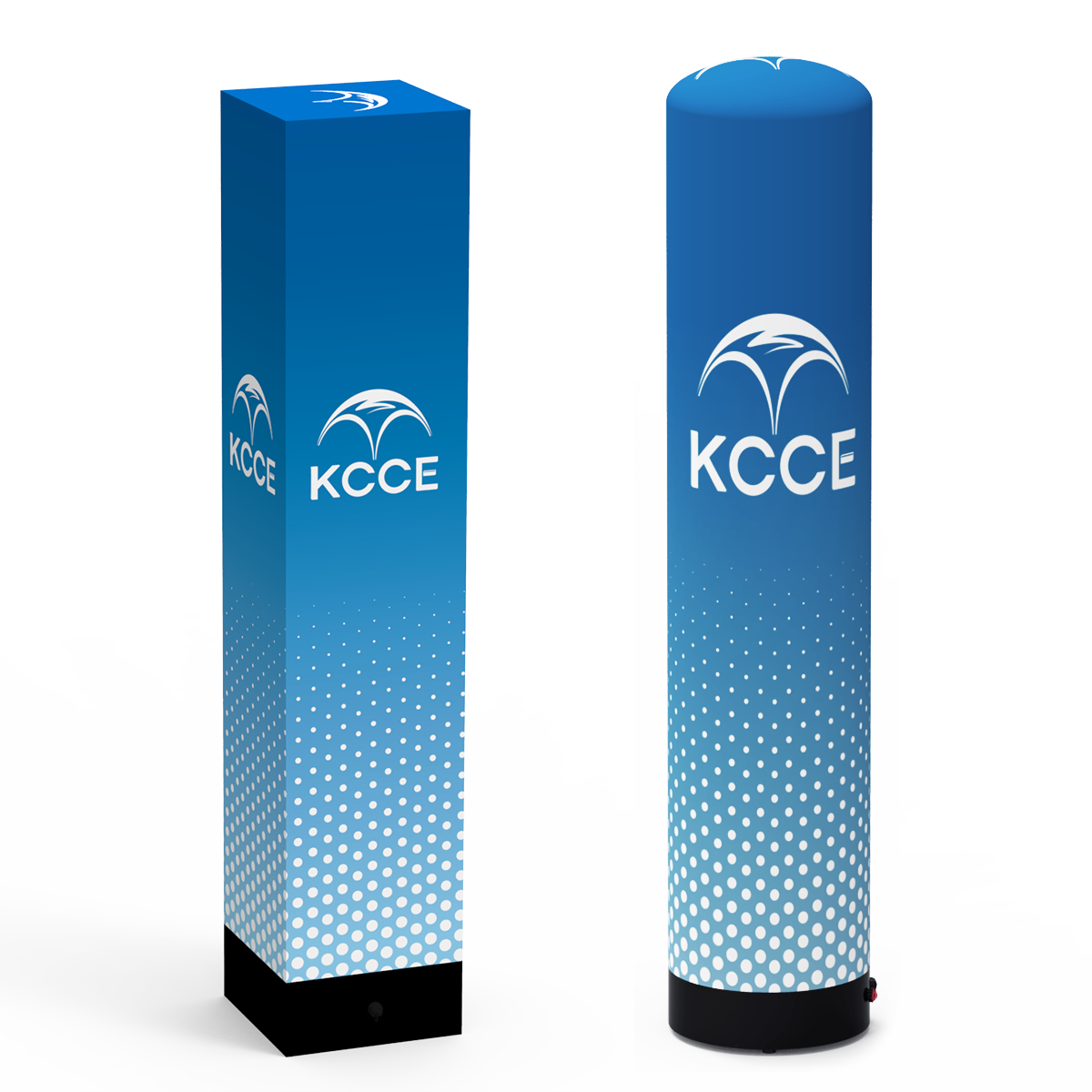
Every business wants their presence to be memorable, and inflatable advertising tents offer plenty of options to make that happen without breaking the bank. Full-color printing on the fabric means logos, slogans, and vibrant graphics come through clearly from a distance. You get to choose the size, shape, and color scheme, allowing the tent to match a brand’s personality closely.
However, there’s a balance between customization and cost. Intricate printing and elaborate shapes add to manufacturing timelines and price tags. For clients who rotate events often, investing in a high-end bespoke design might make less sense than opting for a standard shape outfitted with removable banners or attaching modular signage. Durable materials that can withstand repeated inflations and outdoor exposure push prices up but extend usable lifespan, which may be smarter for distributors who rent out equipment frequently.
Strategically Positioning Inflatable Advertising Tents for Maximum Impact
Placing inflatable advertising tents isn’t just about plugging them into any available spot. Their size and visual weight mean they can dominate a space, but only if positioned thoughtfully. Close to entrances, main walkways, or food courts are prime real estate to catch attendee attention. But watch out for crowded locations that could block the view or create congestion.
Some planners use the inflatable advertising tent as an anchor point that defines an event zone or generates curiosity with an unusual shape or bold graphics. Lighting can amplify this effect at night, with LED strips or spotlights that highlight branding without draining power excessively. However, outdoor lighting needs also raise considerations for power sources and safety, especially when running cables in open spaces.
One limitation is wind exposure: inflated structures can become sails if not adequately secured. This risk mandates using heavy-duty anchors or weighted bags and may restrict where the tent can be placed in areas prone to gusts. Sometimes a less-visible but safer spot is a better trade-off when client priorities lean toward safety and smooth logistics.
Handling Logistics: Transport, Storage, and Maintenance Realities
For businesses supplying event equipment, understanding the practical side of inflatable advertising tents sets expectations and helps advise customers better. Transporting the tent deflated is straightforward—most pack into compact, robust bags that can fit in standard vehicles. Still, heavier models or accessories like blowers require extra care during loading.
Storage is simple but needs dry, climate-controlled conditions to prevent mildew and fabric degradation. Unlike metal-framed tents, inflatable versions don’t suffer from frame rust but can develop leaks or tears over time. Regular inspections, prompt patching, and cleaning after events prolong their useful life.
Air blowers are not one-size-fits-all. Some tents need continuous airflow, meaning the blower runs for the entire event, necessitating a reliable power source or backup batteries. Others use air valves that seal after inflation, which frees up electricity but might take longer to pack down. Knowing these specifics affects planning around power availability and event duration.
| Key | Modèle de produit |
|---|---|
| 2 | Tente gonflable |
Renting Versus Buying: What Suits Your Business Model?
Distributors and event planners often debate between renting inflatable advertising tents and purchasing them outright. Renting minimizes upfront costs and removes the burden of long-term maintenance but may limit customization options or result in equipment inconsistencies over time. Purchased tents better accommodate frequent branding but demand proper storage, upkeep, and a secure location.
The event frequency and type also drive this decision. A brand appearing at dozens of events annually might find ownership more economical and consistent, while smaller businesses with occasional presence benefit more from rental flexibility. Some suppliers offer hybrid models—leasing with options to buy or upgrade, which caters well to growth-oriented clients.
Tracking wear and tear is vital regardless of the ownership model. Inflatable advertising tents exposed to harsh conditions or mishandling don’t just lose aesthetics; structural integrity and safety can degrade, impacting client reputation and event success.
Integrating Inflatable Advertising Tents with Other Event Elements
No event component exists in isolation. An inflatable advertising tent works best when part of a broader branding and operational strategy. Combining it with digital kiosks, interactive stations, or product displays can create a compelling trade show presence or attract walk-in customers at festivals.
But interactions can have trade-offs. Attaching heavy signage or mounting screens risks stressing tent fabric or anchors. Electrical demands for connected devices must account for the blower or lighting power needs without overloading circuits. Additionally, busy tents that draw crowds require clear entry and exit paths inside, which can conflict with the compact footprint inflatable tents usually provide.
Choosing colors and graphic styles that harmonize with other event materials rather than clash is another practical tip. Inflatable advertising tents designed without considering surrounding visuals can either get lost in the mix or create sensory overload, neither of which serves brand recall.
By fully understanding the practicalities, limitations, and thoughtful applications of inflatable advertising tents, businesses can maximize their impact while avoiding common pitfalls that come with over-ambition or inadequate preparation.