Let me be straight with you before we get into the weeds. I’ve spent years in the out-of-home advertising space, and I’ve watched brands throw six-figure budgets at digital campaigns that people scrolled past in 0.4 seconds. Then I’ve seen a $3,000 inflatable tube man can be more effective than a $50,000 paid media flight at a local grand opening, according to anecdotal reports.. That contrast is exactly why we’re having this conversation.
The rise of inflatable advertising strategies isn’t some passing fad—it’s a direct response to how badly attention has broken down. When your target customer has already tuned out every banner, every pre-roll, every sponsored post, you need something that physically interrupts their day. Inflatable advertising does that. It’s big, it’s three-dimensional, and it’s genuinely hard to ignore.
I’m going to walk you through the whole landscape here: the market data, the strategic playbook, the real costs, the honest risks, and the ROI math that actually matters. Whether you’re running a retail chain, organizing events, or you’re a brand manager sick of throwing money at screens, there should be something useful in here for you.
إجابة سريعة
The rise of inflatable advertising strategies comes down to the collapse of the attention economy—digital ad fatigue has made physical, three-dimensional brand experiences more effective at grabbing consumer attention and driving foot traffic than traditional media, with the global inflatable market projected to hit $7.2 billion by 2027.
The Rise of Inflatable Advertising Strategies: A Market in Motion
Let’s start with the numbers, because the market tells a story that gut instinct can’t. The global inflatable market is expected to reach $7.2 billion by 2027, growing at a CAGR of 4.2%. That’s not just bounce houses and pool floats—that figure covers the entire ecosystem of advertising inflatables, custom inflatables, and promotional structures that brands deploy across retail, events, and trade shows.
The promotional inflatables market analysis gets interesting when you dig into the segments. Market research firms tracking the inflatable advertising costume market specifically break it down by product type (full body costumes, character costumes, custom costumes), by application (retail & promotion, events & exhibitions, sports, entertainment), and by distribution channel. What’s striking is that the retail and promotion segment consistently shows the strongest demand—which makes sense when you think about what’s actually happening on the ground.
Here’s the thing: the experiential marketing trend isn’t new, but it’s accelerating. Consumers don’t want to be told about a product—they want to see it, touch it, and be entertained by it. An inflatable product replica of a beverage can or a giant branded mascot creates a moment. It’s not an ad; it’s a spectacle. And spectacles get photographed, shared, and remembered.
The attention economy has fundamentally rewritten the rules. You’re competing for mental bandwidth that’s already flooded with thousands of commercial messages per day. Physical advertising impact—something that occupies actual space in the real world—cuts through that noise in a way that pixels simply can’t. I’ve seen this play out repeatedly: a brand that invests in a large-format inflatable display at a trade show gets more meaningful engagement than a competitor spending triple the budget on digital screens at the same event.
Why Inflatable Advertising Strategies Are Winning Attention Now
You might be wondering: why now? Inflatables have been around for decades—tube men have been flailing outside car dealerships since the 1990s. What’s actually changed?
The answer is digital ad fatigue. We’ve hit a saturation point where the average consumer is exposed to thousands of ads daily, and their brain has developed sophisticated filtering mechanisms. Banner blindness isn’t just a term—it’s a survival skill. Studies on advertising effectiveness consistently show declining click-through rates and engagement metrics across digital channels. In practitioners’ experience, the cost per acquisition on paid social has climbed steadily while conversion rates have stagnated.
Inflatable advertising flips that dynamic. It leverages physical advertising impact by occupying space in the real world where people actually live, shop, and celebrate. A 20-foot inflatable can outside a storefront isn’t something you can scroll past. It demands a physical response—a glance, a photo, a conversation.
The viral marketing potential is the second accelerant. Here’s the pattern I’ve observed across dozens of campaigns: someone sees a giant inflatable mascot, snaps a photo, posts it to social media, and suddenly the physical installation is generating digital impressions. The brand gets both the on-site impact and the social amplification, essentially doubling the ROI on a single asset. Custom inflatables designed to be photogenic—with bold colors, exaggerated proportions, or playful interactions—consistently outperform more conservative designs in this regard.
The third factor is the experiential marketing trend. Consumers, especially younger demographics, increasingly prioritize experiences over possessions. They want brands to entertain them, to create moments worth sharing. Inflatable advertising fits this perfectly because it’s inherently playful. It lowers the barrier between brand and consumer—you can’t help but smile at a giant inflatable tube man, and that positive emotional association transfers to the brand.
The Full Spectrum of Inflatable Advertising Strategies
Let me break down the types of advertising inflatables you’ll actually encounter, because the category is broader than most people realize.
Core Product Categories
- Inflatable tube men (air dancers): The classic. Tall, flexible, attention-grabbing. Used for grand openings, sales events, and outdoor retail advertising inflatables. They’re effective because they move—motion captures peripheral vision better than static displays.
- Inflatable product replicas: Giant versions of your actual product—beverage cans, bottles, vehicles, even buildings. These create a memorable visual association and work exceptionally well for brand launches.
- Inflatable mascots and characters: Custom inflatables designed as brand ambassadors. They walk around events, interact with crowds, and generate photo opportunities.
- Inflatable arches and signage: Perfect for race finishes, event entrances, and branded inflatable signage at festivals or trade shows.
- Inflatable product displays: Three-dimensional showcases that present merchandise or information in a visually striking format.
- Marketing inflatable sculptures: Artistic or abstract shapes that serve as conversation pieces and Instagram backdrops.
Custom vs. Stock Options
When you’re planning a campaign, you’ll face the custom inflatables versus stock products decision. Custom inflatables—bespoke designs tailored to your brand’s exact specifications—offer maximum impact but require a longer lead time and higher investment. Stock options are faster and cheaper but less distinctive.
From my experience working with manufacturers, the custom route is almost always worth it for major campaigns. A bespoke inflatable that accurately represents your product or mascot creates a stronger brand connection than a generic shape with your logo slapped on it. The design process typically involves concept sketches, 3D modeling, and prototype approval before production begins.
Placement Scenarios
The placement of your inflatable advertising strategy determines its effectiveness. Storefront inflatables work best for driving foot traffic to retail locations. Trade show inflatable displays need to compete with hundreds of other exhibitors, so height and visual impact are critical. Event marketing inflatables—whether at festivals, concerts, or community gatherings—need to be portable and durable enough for repeated setup and teardown.
One of the most effective placements I’ve seen is the grand opening inflatable tube men combo: two or three air dancers flanking the entrance, plus a large inflatable arch over the door. It creates a sense of occasion that draws people in. For outdoor retail advertising inflatables, placement near the street or parking lot is crucial—you want maximum visibility to passing traffic.
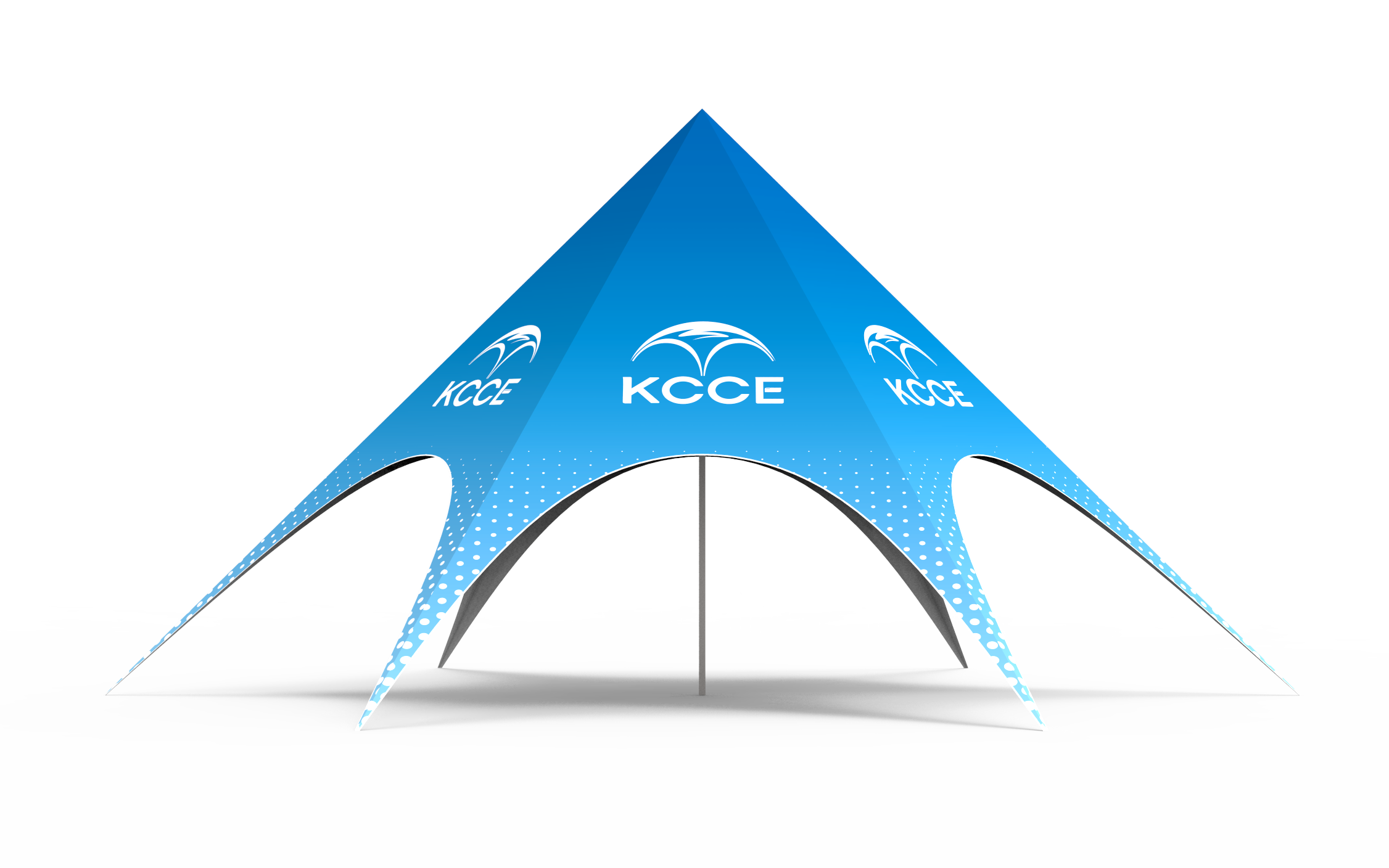
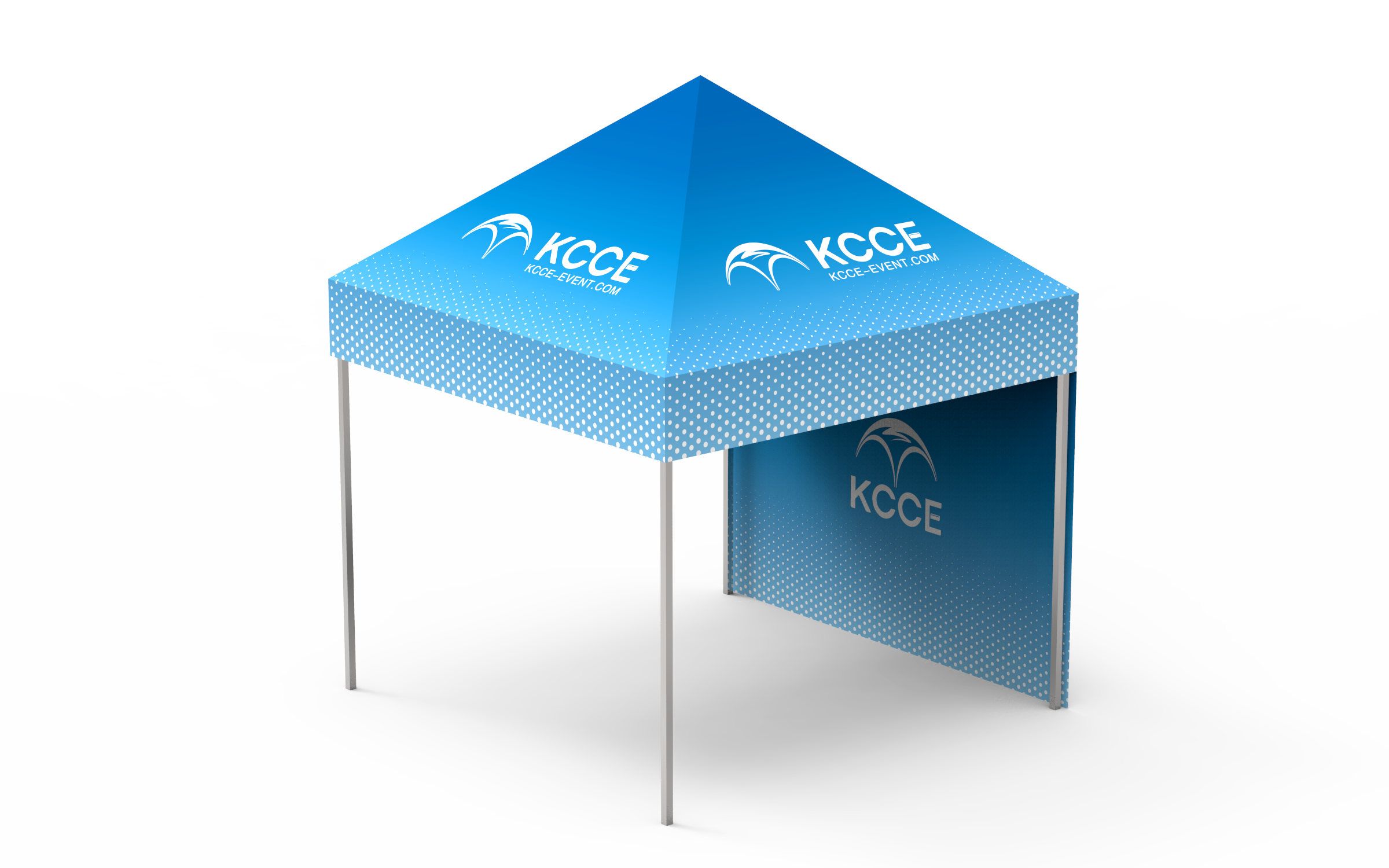
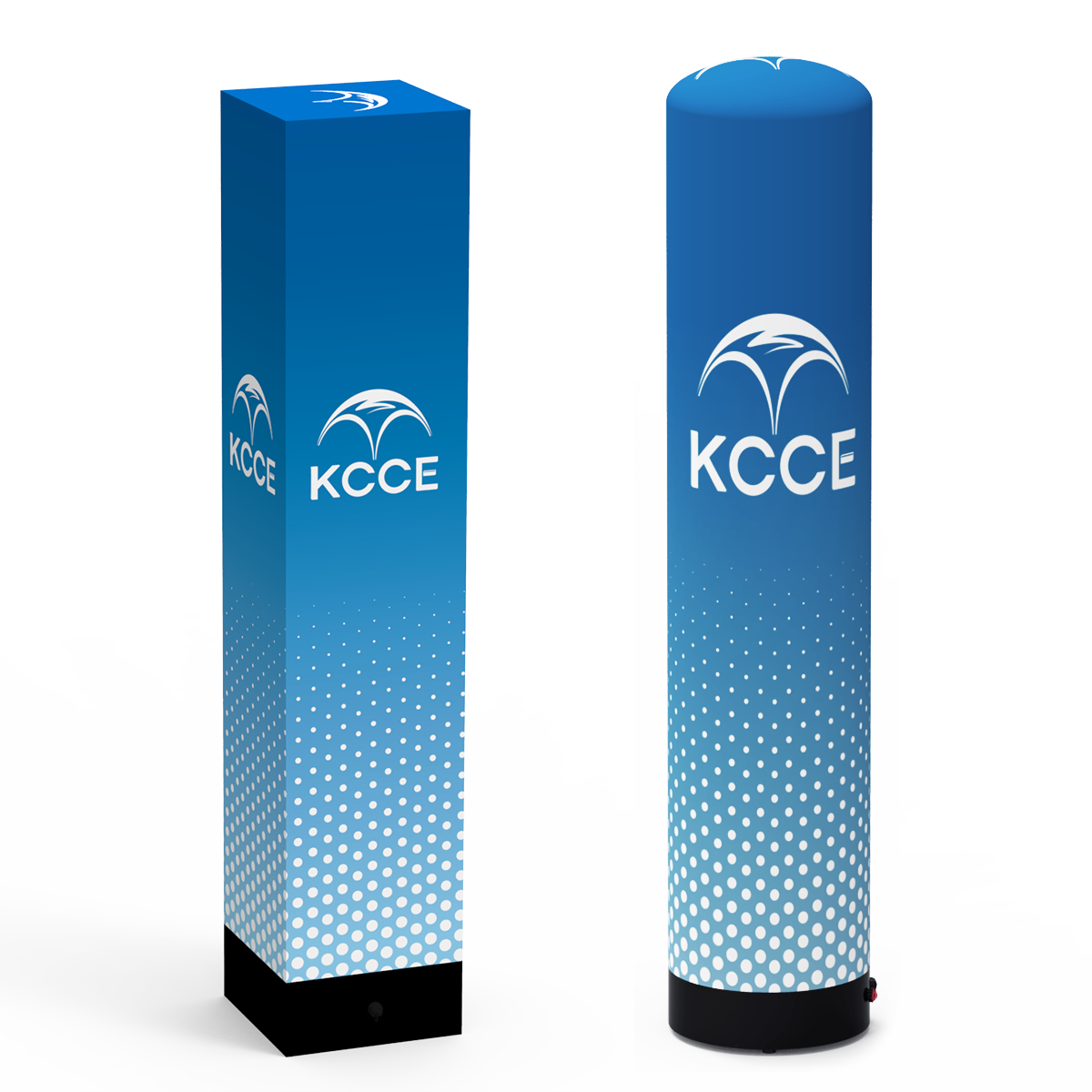
If you’re evaluating options for your next campaign, you might want to check out KCCE’s inflatable shapes for custom configurations, or their display frames for more structured presentations. Both offer flexibility depending on whether you need organic forms or rigid displays.
Measuring ROI on Inflatable Advertising Strategies
Now let’s get to the part that makes finance directors nervous: how do you actually measure the return on an inflatable advertising investment?
The honest answer is that inflatable advertising ROI is measurable, but it requires a different framework than digital campaigns. You’re not tracking clicks; you’re tracking foot traffic, dwell time, and sentiment.
Key Metrics to Track
- Foot traffic lift: Compare visitor counts during the inflatable campaign period against a baseline period. Retail locations can use door counters or POS data.
- Sales lift: Measure the delta in sales during the campaign window, ideally against the same period in previous years or a control location.
- Social media mentions: Track branded hashtags, geotagged posts, and photo shares originating from the installation.
- Engagement time: For event marketing, measure how long people spend interacting with the installation or your staff nearby.
- Cost per impression: Calculate the total campaign cost divided by estimated foot traffic and passersby who saw the inflatable.
Tracking Methods
The campaign measurement approach depends on your setup. For storefront inflatables, simple door counters and POS data provide solid before-and-after comparisons. For event-based campaigns, you can deploy QR codes on the inflatable itself, linking to a landing page or a social media contest. This bridges the physical-digital gap and gives you trackable engagement.
For trade show inflatable displays, lead capture becomes the primary metric. How many business cards, badge scans, or demo requests did you generate? Compare that against your cost per qualified lead from other marketing channels.
Benchmark Expectations
What should you expect? In practitioners’ experience, a well-executed inflatable campaign at a retail location typically generates a measurable foot traffic lift within the first week. The effect is strongest during the initial launch period and can be sustained with periodic rotation or repositioning of the inflatable.
What is the effect of custom inflatables in marketing? The evidence suggests that custom inflatables outperform generic options on both recall and engagement metrics. A bespoke design that accurately represents your brand creates a stronger visual anchor in the consumer’s memory. This is why the top 5 reasons custom air dancers increase sales include visibility, novelty, brand reinforcement, social sharing potential, and cost-effectiveness relative to other high-visibility media.
The key insight is that inflatable advertising ROI shouldn’t be evaluated in isolation. It’s a complement to your broader marketing mix, amplifying the effectiveness of your other channels. A consumer who sees your inflatable on the street is more likely to respond to your digital retargeting later. The physical impression primes the digital response.
Cost Breakdown for Inflatable Advertising Strategies
Let’s talk money, because the inflatable advertising cost question is always the first one asked.
Price Ranges
The cost of advertising inflatables varies dramatically based on size, complexity, and customization. At the entry level, standard inflatable tube men and basic shapes can be surprisingly affordable—often in the low hundreds to low thousands of dollars range. These are stock designs that manufacturers produce in volume.
Mid-range options include medium-sized custom inflatables, product replicas, and branded arches. These typically run in the several-thousand-dollar range, depending on complexity and the number of colors in your branding.
At the top end, large-scale custom inflatables—giant product replicas, complex mascots, or multi-element displays—can reach tens of thousands of dollars. These are true investments, but they’re also the ones that generate the most dramatic visual impact and social sharing.
Maintenance Expenses
The inflatable maintenance cost is often overlooked in initial budgeting. You’re not just buying the inflatable; you’re buying the system that keeps it operational. This includes:
- Blowers: Continuous-duty blowers are essential for keeping the inflatable inflated during operating hours. These consume electricity and have a limited lifespan.
- Repair kits: Punctures and tears happen. A basic repair kit with patches and adhesive is essential.
- Cleaning supplies: Inflatables get dirty, especially at outdoor events. Regular cleaning extends their lifespan and keeps them looking professional.
- التخزين: Proper storage protects your investment between uses. A clean, dry space is essential to prevent mold and material degradation.
Lifespan Factors
Inflatable durability depends on several factors: material quality, frequency of use, weather exposure, and maintenance practices. Commercial-grade advertising inflatables are designed for repeated use, but they’re not indestructible.
In my experience, a well-maintained inflatable used for seasonal campaigns (a few times per month) can last several years. However, inflatables used daily at storefronts in harsh weather conditions will degrade faster. UV exposure is particularly damaging—it weakens the fabric over time, making it more susceptible to tears.
The most important inflatable durability factor is the blower. A quality continuous-duty blower keeps the inflatable properly pressurized, which prevents stress on the seams. Cheap blowers that overheat or underperform will shorten your inflatable’s lifespan significantly.
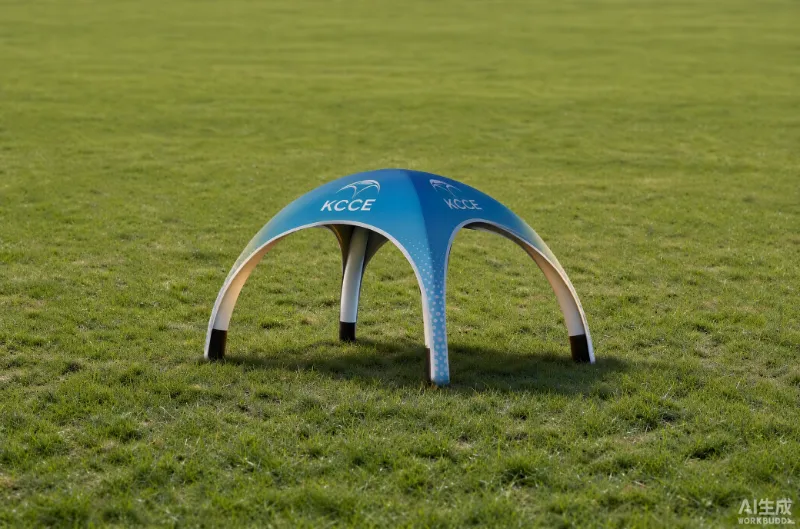
For those planning long-term campaigns, it’s worth considering KCCE’s inflatable tents as a more durable alternative for certain applications. Their construction emphasizes repeated setup and teardown cycles, which is a different durability profile than a static storefront display.
Risks and Limitations of Inflatable Advertising Strategies
I’ve been singing the praises of inflatables, but let’s be balanced here. There are real risks and limitations you need to plan around.
Weather Constraints
Weather limitations are the most obvious challenge. High winds are the enemy of inflatables. Most manufacturers specify a maximum wind speed for safe operation—typically around 25-30 mph for larger structures, as noted in product specifications. Exceeding these limits risks damage to the inflatable and, more importantly, creates a safety hazard.
Rain and snow aren’t necessarily deal-breakers, but they affect visibility and can cause material stress. Extreme heat can soften the fabric and increase stress on seams. Inflatable advertising is fundamentally a fair-weather medium in most climates.
Your mitigation strategy should include: monitoring weather forecasts, having a plan for rapid deflation and securing, and ensuring your staff is trained on safe operation procedures. For regions with harsh weather, seasonal campaigns may be more practical than year-round installations.
Zoning Regulations
Advertising regulations vary significantly by jurisdiction. Some municipalities restrict the use of inflatable advertising, particularly in residential areas or historic districts. Others require permits for temporary signage exceeding certain dimensions.
Before you invest in an inflatable campaign, research your local zoning codes and permitting requirements. This is especially important for outdoor retail advertising inflatables, which are more likely to trigger regulatory scrutiny than indoor trade show displays.
In practitioners’ experience, it’s better to contact your local planning department early in the process. They can tell you exactly what’s allowed, what permits you’ll need, and how long the approval process takes. Failing to do this can result in fines or forced removal of your installation at the worst possible moment.
Brand Perception Risks
There’s a fine line between playful and cheap. Inflatable advertising can be perceived as low-end if not executed well. A poorly designed inflatable, or one that’s deflated and sagging, can damage your brand image rather than enhance it.
The brand image risks are manageable if you follow some basic principles. First, invest in quality design—a well-proportioned, accurately branded inflatable looks professional. Second, maintain your equipment. A clean, fully inflated display signals attention to detail. Third, consider your context. Inflatables work well for retail, events, and entertainment. They may feel out of place for luxury brands or conservative industries like financial services.
Real-World Campaigns Using Inflatable Advertising Strategies
Let’s look at how successful inflatable campaigns have played out in practice, because the creative marketing examples are where the strategy comes alive.
Notable Applications
Grand Openings: This is the classic use case. A new store or restaurant needs to generate immediate awareness in its local market. Grand opening inflatable tube men, arches, and product replicas create a visual event that draws curiosity and foot traffic. The combination of motion (air dancers) and scale (large inflatables) signals that something is happening.
المعارض التجارية: With hundreds of exhibitors competing for attention, trade show inflatable displays offer a way to stand out. A tall inflatable product replica or mascot can be seen from across the hall, drawing attendees to your booth. This is especially effective for event marketing inflatables where the goal is lead generation.
Retail Promotions: Seasonal sales, holiday events, and product launches all benefit from inflatable advertising. A giant inflatable product replica outside a store creates a memorable visual that reinforces the product message. Storefront inflatable advertising turns a routine shopping trip into a memorable experience.
Sports and Entertainment: Inflatables are ubiquitous at sporting events, festivals, and concerts. Branded inflatable signage at the entrance, inflatable arches for race finishes, and inflatable mascots roaming the crowd all create brand visibility in a high-energy environment.
Creative Execution Lessons
The best campaigns I’ve seen share some common characteristics. First, they integrate the inflatable into a broader experience, not just a standalone display. Second, they design for shareability—creating moments that people want to photograph and share. Third, they measure the impact and iterate based on data.
One lesson that’s been reinforced repeatedly: inflation consistency matters. A partially inflated or wobbly inflatable looks unprofessional and can undermine the entire effect. Invest in quality blowers and check the inflation pressure regularly throughout the day.
Another lesson is the power of scale. Bigger almost always generates more attention, but only if it’s proportional to the environment. A 30-foot inflatable in a small parking lot can overwhelm the space and create safety concerns. Match the scale to the location.
Industry-Specific Applications
Different industries use inflatables differently. Automotive dealerships use tube men to signal sales events. Food and beverage brands use product replicas to reinforce brand recognition. Real estate developers use inflatable arches and signage to direct traffic to model homes. Non-profits use inflatable mascots to engage families at community events.
The versatility is one of the strengths of inflatable advertising. With custom inflatables, you can create almost any shape or character that serves your brand story.
The Future of Inflatable Advertising Strategies
Where is this all heading? Let me share my perspective on the trajectory.
Tech Integration
Smart inflatables are the next frontier. Imagine inflatables with integrated LED lighting that changes color based on time of day or proximity sensors that trigger interactive elements. Some manufacturers are experimenting with inflatables that incorporate digital screens or projection mapping, creating a hybrid physical-digital experience.
The integration of IoT (Internet of Things) technology could allow remote monitoring of inflation pressure, blower status, and power consumption. This would reduce maintenance costs and improve reliability. In my view, this is where the industry is heading—making inflatables smarter, more interactive, and more data-driven.
اتجاهات الاستدامة
Eco-friendly advertising is becoming a priority for brands and consumers alike. The inflatable industry is responding with more sustainable materials, including recyclable fabrics and water-based inks. Some manufacturers are exploring biodegradable options for single-use event applications.
The sustainability angle extends to the business model as well. Renting inflatables for specific campaigns is more environmentally friendly than purchasing—it maximizes the utilization of each product and reduces waste. This aligns with the broader shift toward circular economy principles in marketing.
Projected Growth
The market projections support continued growth. With the global inflatable market is projected to grow significantly by 2027, according to industry estimates.epresent a growing segment of that total. The marketing trends 2025 and beyond point toward continued investment in experiential and out-of-home advertising as digital channels become increasingly crowded and expensive.
I also expect to see more sophisticated measurement and attribution in the inflatable advertising space. As smart technology becomes more affordable, we’ll see more campaigns tracking engagement data directly from the inflatable itself—passerby counts, interaction durations, even sentiment analysis based on social media mentions.
For brands looking to stay ahead, the inflatables in 2025 creative marketing ideas will likely involve more interactive elements, better integration with mobile experiences, and a stronger focus on sustainability. The brands that embrace these trends early will have a competitive advantage.
If you’re planning a campaign and want to explore durable, reusable options, KCCE’s inflatable furniture offers an interesting angle for lounge-style brand activations. It’s a different application but worth considering for event marketing.
الأسئلة الشائعة
Q: What are the advertising inflatables called?
١. ج: Advertising inflatables go by several names. The most common are inflatable tube men, air dancers, inflatable tube guys, and sky dancers. In the industry, you’ll also hear terms like promotional inflatables, advertising balloons, and inflatable displays. Custom inflatable advertising products may include product replicas, mascots, arches, and signage. The specific name often depends on the shape and application.
Q: What are the four types of promotional strategies?
١. ج: The four classic promotional strategies are advertising, public relations, sales promotion, and personal selling. Inflatable advertising fits within the advertising category, serving as a form of outdoor or point-of-purchase advertising. It can also support sales promotion efforts by drawing attention to special offers or events. The best campaigns often combine multiple promotional strategies for maximum impact.
Q: Is advertising going to be replaced by AI?
١. ج: AI will transform advertising, but it won’t replace it entirely. AI excels at optimization, targeting, and personalization in digital channels. However, physical advertising—including inflatables—creates real-world experiences that AI cannot replicate. The most effective approach is combining AI-driven insights with physical activations. Use AI to identify the best locations and timing, then deploy inflatable advertising to capture attention on the ground.
Q: What are the 7 main types of advertising?
١. ج: The seven main types of advertising are print, broadcast (TV and radio), outdoor, digital, product placement, direct mail, and point-of-purchase. Inflatable advertising falls under outdoor advertising, specifically as a form of large-format signage. It also intersects with point-of-purchase advertising when used at retail locations. Understanding where inflatables fit in the broader advertising landscape helps you allocate your budget effectively.
المراجع
1. The Power of Bespoke Inflatable Designs in Marketing Strategies – Inflatable Design Group
2. Custom Inflatable Advertising: Complete Guide to Promotional Blow-Up Marketing – USA Blimp
3. Inflatable Advertising Costume Market Research Report 2034 – Market Intelo
4. How to Start an Inflatable Business in 2025: 9-Step Guide + Free AI-Powered Business Plan – Serif
5. Outdoor Advertising Ideas That Work – Business News Daily